
10 Things Your Commercial Lawn Care Plan Should Include
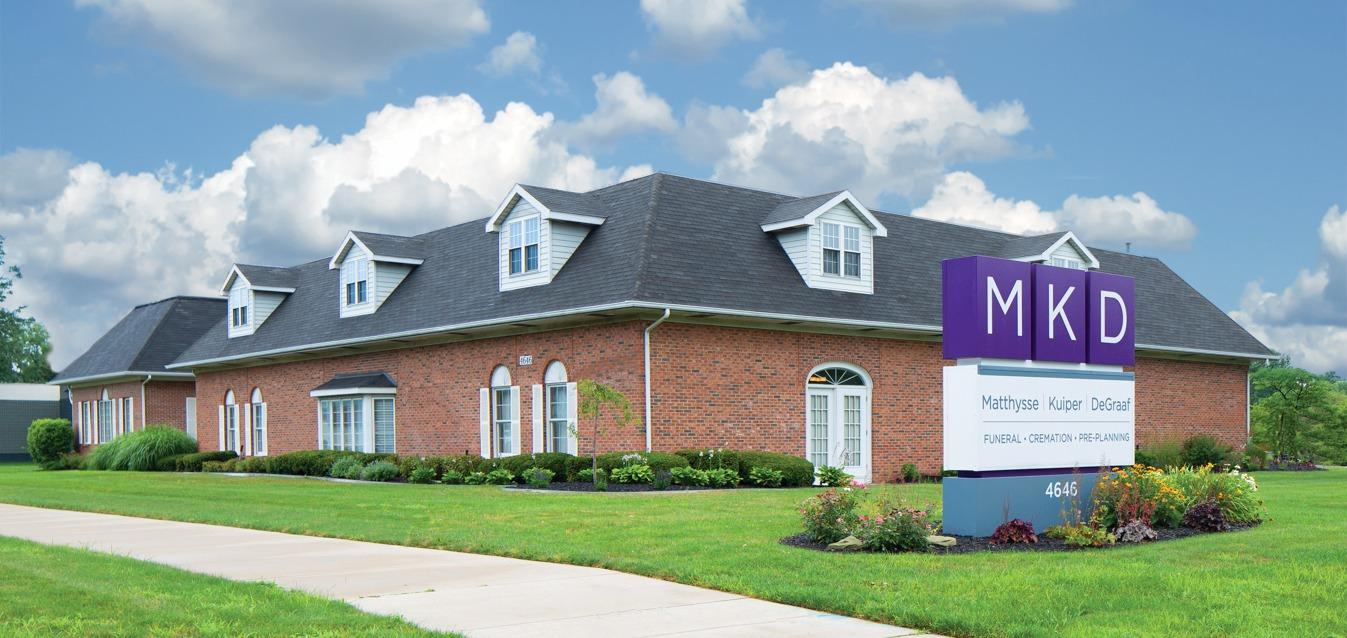
If you’ve ever reviewed a commercial lawn care quote and thought, “What am I actually getting here?” you’re not alone. Lawn care plans can look similar on the surface, but the details behind them vary a lot. Some cover only the basics, while others include the kind of ongoing attention that keeps a property looking sharp and operating smoothly.
Part of the challenge is that commercial lawn maintenance is rarely explained clearly. It’s not always obvious what should be included, or how often commercial lawns need maintenance based on the type of property you manage. Without that clarity, it’s easy to end up with a plan that leaves gaps, creates extra follow-up, or doesn’t hold up through the full season.
This checklist breaks down the key components of a well-structured commercial lawn care plan, so you can quickly understand what to expect and feel confident in the service you’re getting.
If you want to understand how lawn care fits into year-round property maintenance, you can read more in our commercial landscape maintenance guide.
1. A Maintenance Schedule That Matches How Your Site Is Used
Not all properties need the same schedule, and that’s where many lawn care plans fall short.
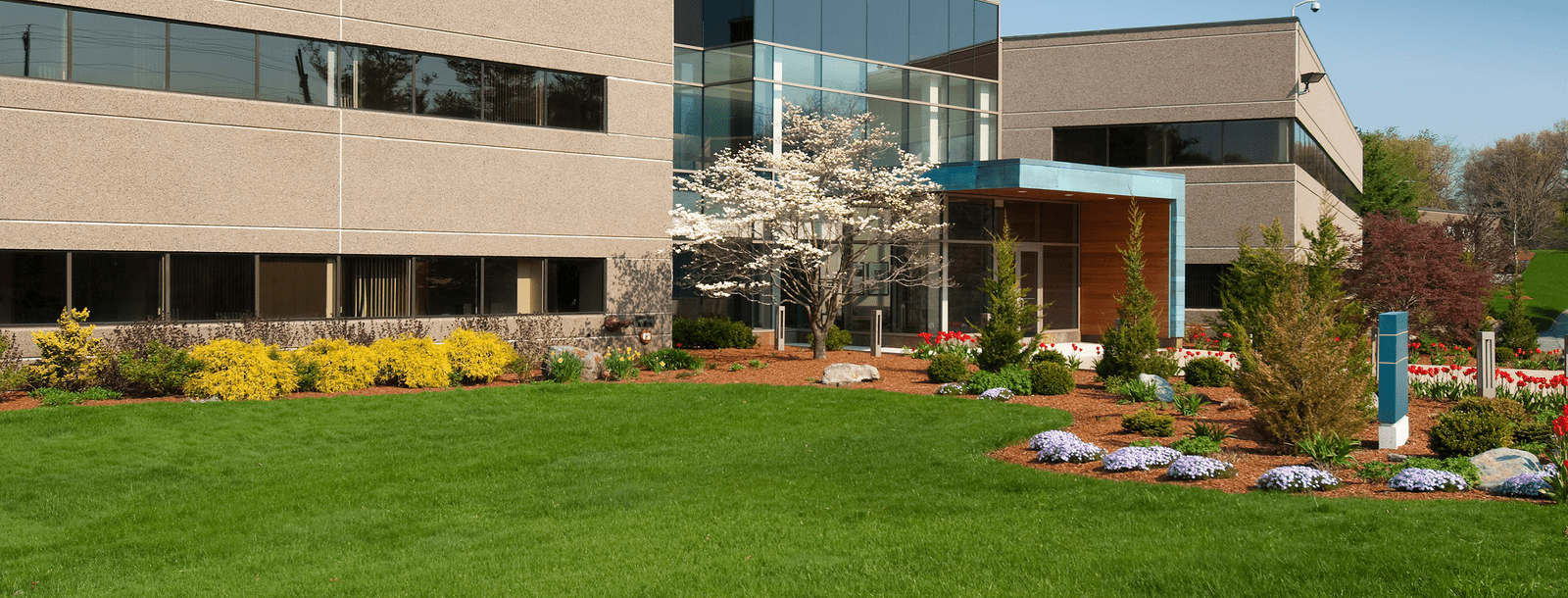
A strong plan adjusts based on how your site functions day to day. High-visibility areas like entrances, parking lots, and signage zones often need more frequent attention, not just because they’re seen first, but because they handle more foot traffic, vehicle exposure, and environmental stress. These areas tend to wear down faster if they aren’t maintained accordingly.
That doesn’t mean lower-traffic areas are ignored. They still require consistent care, but the frequency and focus should reflect how they’re used and how quickly they change over time.
Seasonality also plays a role. Growth peaks in spring and summer, which calls for tighter mowing cycles and more frequent site checks. As growth slows, the schedule should adjust rather than stay fixed.
The key is having a plan that is both consistent and intentional. You should know how often your site is serviced, why that frequency makes sense, and how it shifts throughout the year. When that’s clear, the lawn stays even, issues are caught early, and nothing is left to chance.
2. Comprehensive Services That Support Turf Health

If a lawn care plan is built around mowing alone, it often misses opportunities to support the full health and performance of the landscape.
Strong turf depends on a combination of services working together. Soil condition, nutrient levels, weed pressure, and seasonal changes all influence how a property looks and holds up over time. When those factors aren’t addressed, the lawn may still function, but it rarely reaches its full potential.
A well-rounded plan includes more than routine cutting. Fertilization, weed control, seasonal cleanups, pruning, irrigation checks, and pest monitoring each play a role. Some strengthen root systems, others protect density or improve drainage, but together they create a more stable, resilient landscape.
The real difference comes down to how these services are delivered. When they’re coordinated as part of a single program, the landscape stays balanced and issues are handled early. When they’re treated as occasional add-ons, gaps tend to show up over time.
As you review your current plan, look at what’s actually included. If it leans heavily on mowing with limited support services, there may be untapped potential in how your landscape is being managed.
3. Clear and Predictable Service Scheduling
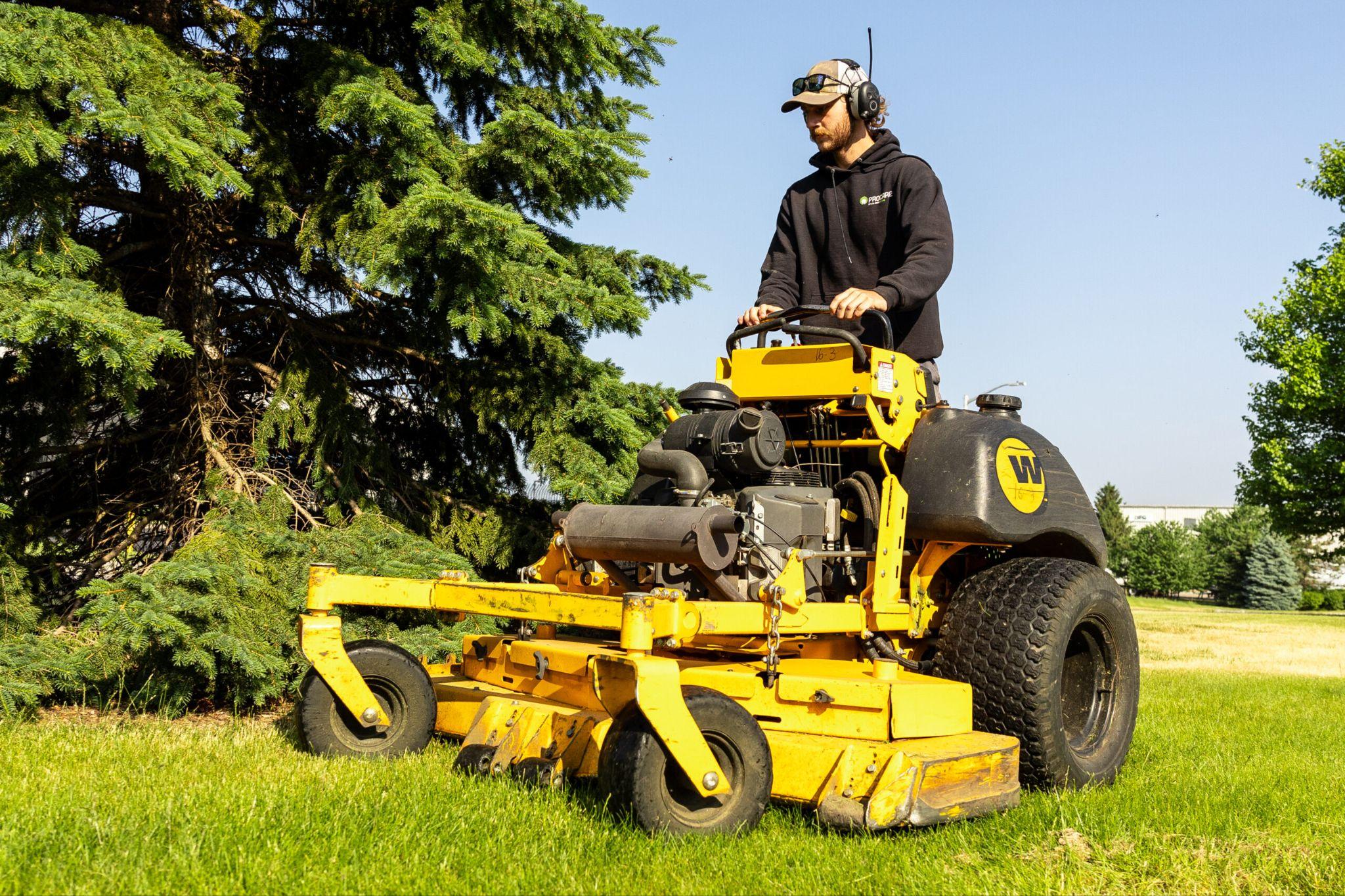
One of the easiest ways to tell if a lawn care plan is well run is how clearly the schedule is laid out and communicated.
You shouldn’t have to guess when crews are arriving or whether work has been completed. A strong provider gives you full visibility into upcoming visits and confirms when work is done, so nothing is left unclear.
This becomes even more valuable when everything is handled through a single point of contact. Instead of tracking updates across different channels, your schedule, service history, and site activity are all organized in one place and easy to access when you need it.
Look for a process that includes both advance scheduling and clear follow-up after each visit. Whether it’s through a customer portal or direct updates, you should always know what’s happening on your property without having to ask.
Over time, that level of clarity builds confidence. You’re not following up to stay informed. You already have a clear view of what’s been done and what’s coming next.
4. Defined Responsibilities And Expectations
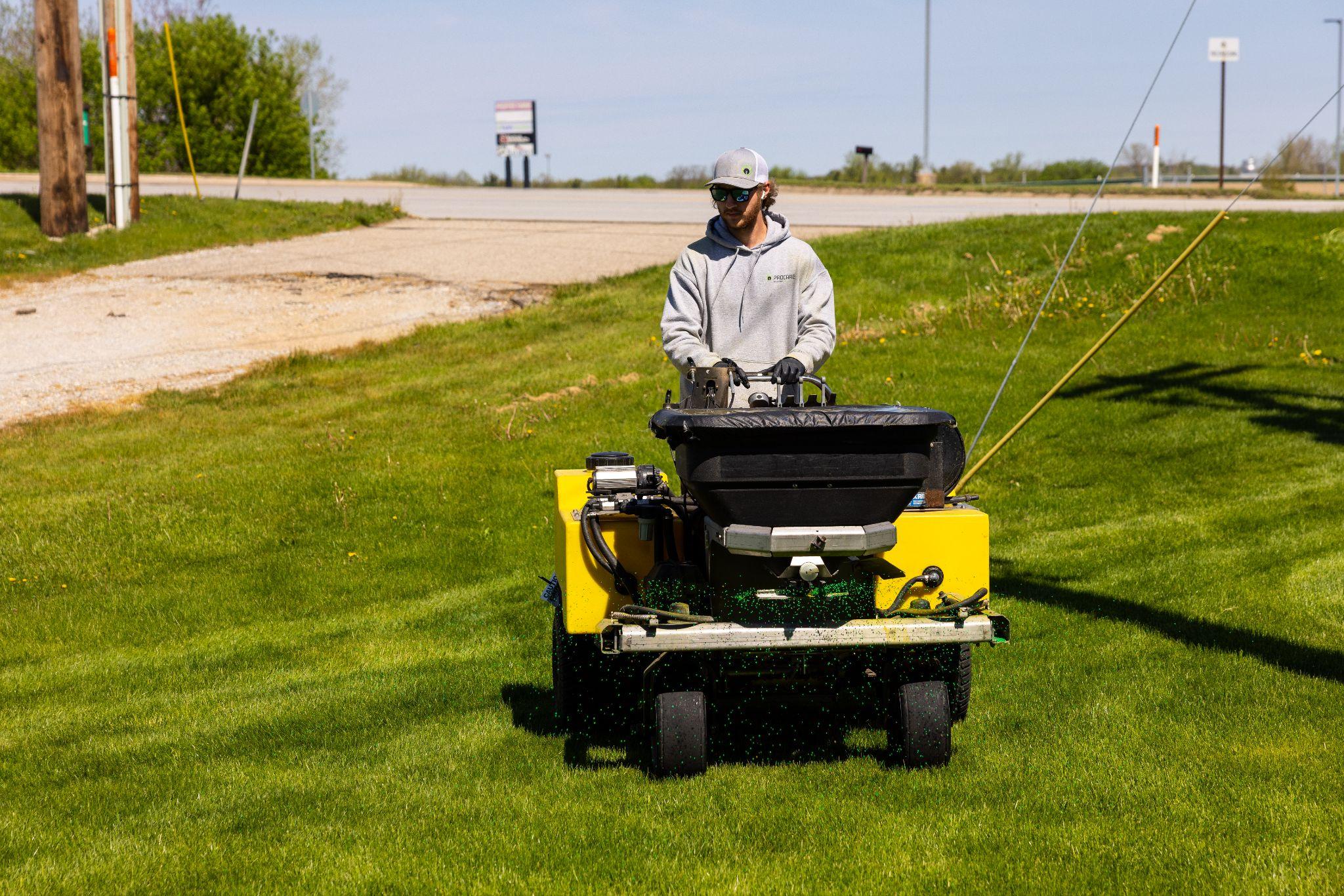
Clarity about responsibilities is essential when planning commercial lawn care services. Property managers need to know exactly what tasks are included in the maintenance plan and how they will be completed.
Without defined expectations, misunderstandings may arise about which areas are included in the service schedule or how specific issues should be addressed.
This is why outlining commercial lawn maintenance responsibilities is an important part of building an effective maintenance program. Responsibilities should describe service frequency, maintenance areas, and procedures for addressing unexpected concerns.
When responsibilities are clearly outlined, everyone involved in the maintenance process understands their role. This reduces confusion and allows maintenance teams to focus on delivering consistent care.
Defined expectations also make it easier to evaluate the effectiveness of commercial lawn care services over time. When service details are documented clearly, property managers can review results and make adjustments that improve the maintenance program without interrupting the overall schedule.
5. Coordination With Irrigation Systems
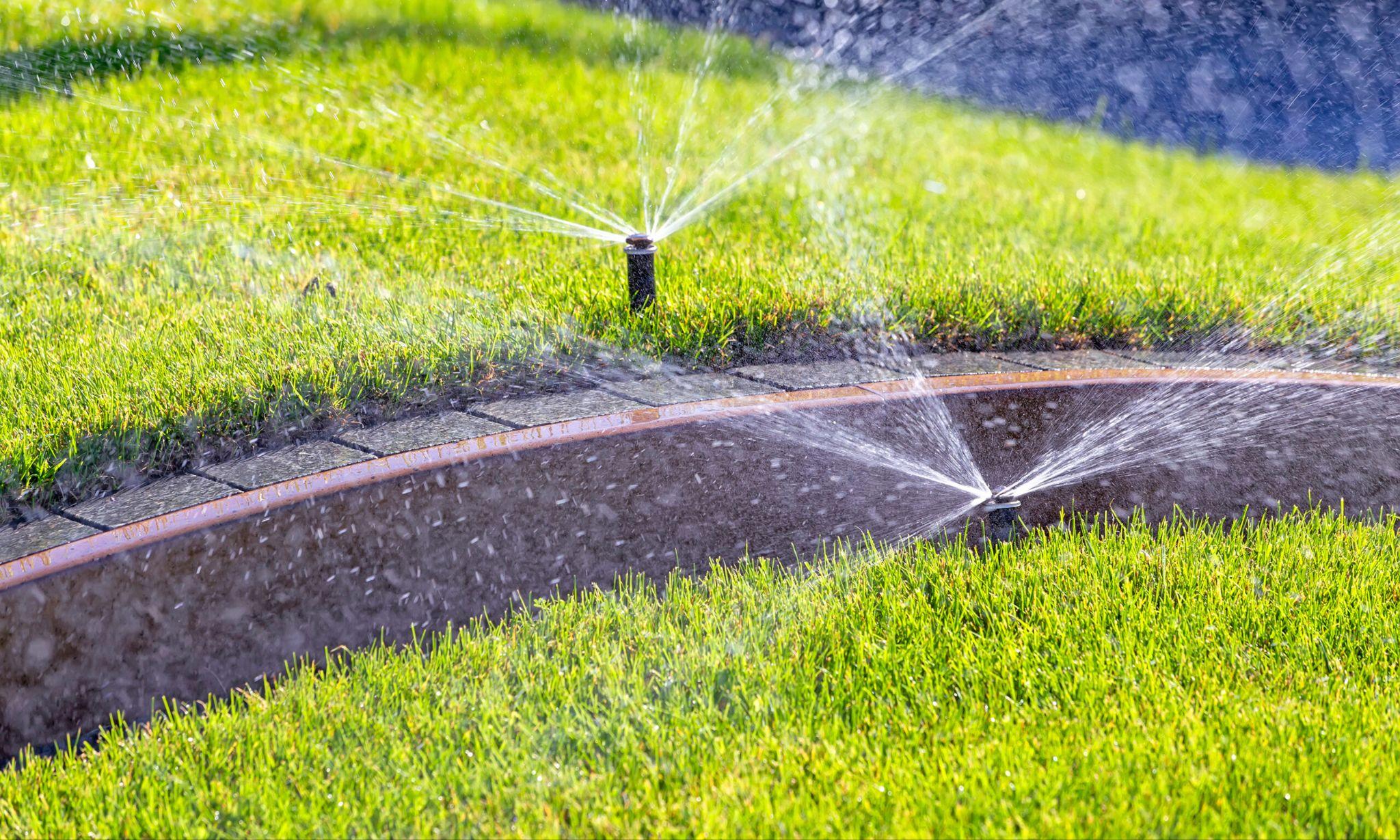
Healthy turf relies on proper water management. Even the most consistent commercial lawn care services cannot maintain strong grass if irrigation systems are not functioning properly.
Irrigation must deliver the right amount of water at the right time. Too much water can lead to turf disease and weak root systems, while insufficient watering causes grass stress and uneven growth.
When irrigation and lawn maintenance work together, commercial lawn care services help maintain stable soil moisture levels across the property.
Routine maintenance visits allow crews to identify sprinkler misalignment, uneven watering zones, or leaks within the irrigation system. Addressing these issues early helps maintain turf health throughout the growing season.
This coordination supports commercial turf maintenance best practices, where soil moisture, grass health, and irrigation performance are monitored together.
Effective irrigation coordination ensures that commercial lawn care services produce consistent long-term results. Healthy irrigation systems also help maintain vibrant turf colour and density, which contributes to a professional landscape appearance across the entire property.
6. Seasonal Adjustments As Conditions Change
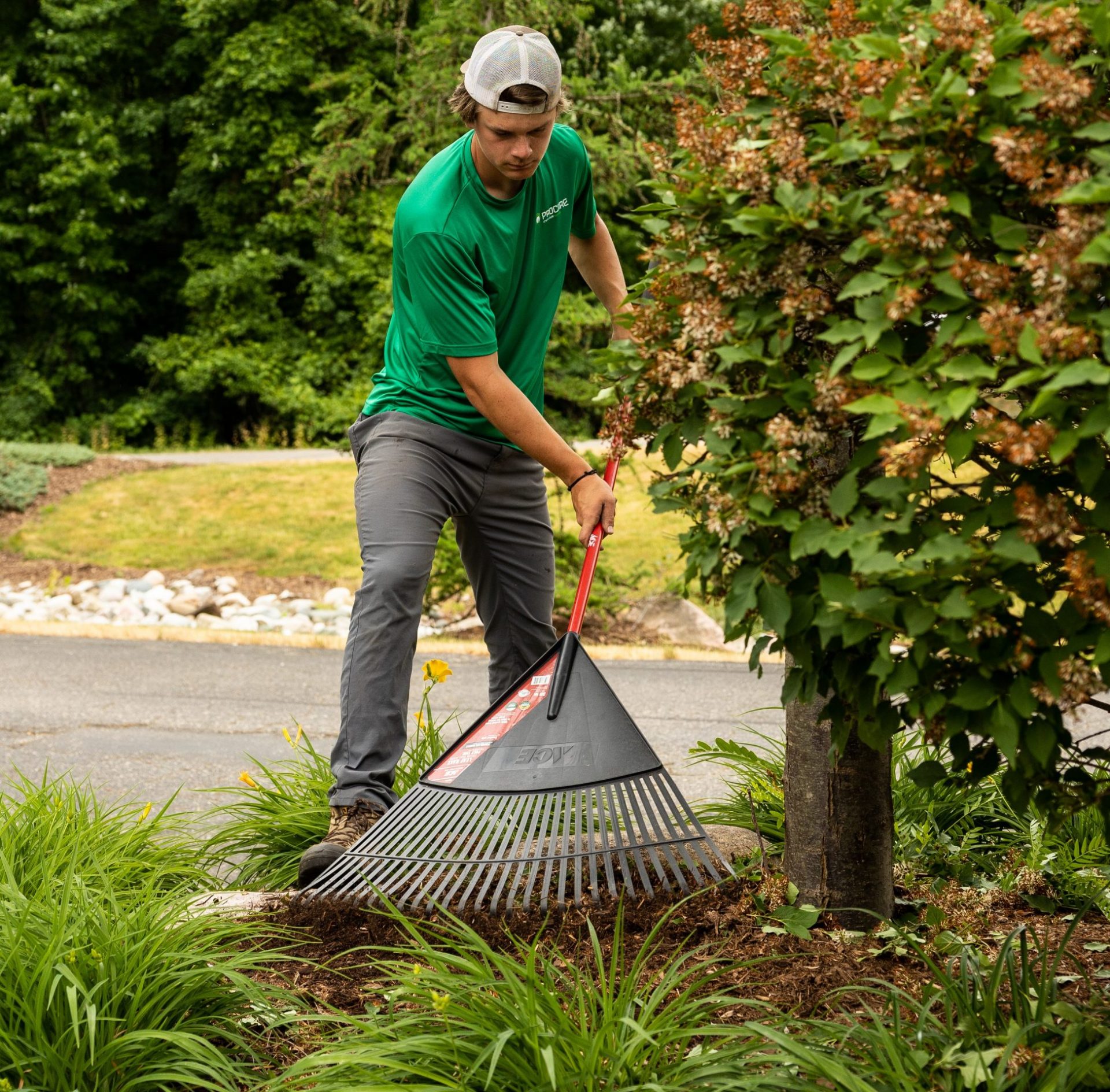
Weather and seasonal changes play a major role in shaping maintenance needs. Professional commercial lawn care services adjust their approach throughout the year to match changing conditions.
Spring maintenance typically focuses on soil preparation, fertilization, and establishing mowing schedules. As temperatures rise, grass growth increases, and mowing frequency often becomes more frequent.
Summer care focuses on maintaining turf health during warmer conditions. Irrigation monitoring becomes especially important during this time.
Autumn maintenance shifts toward leaf removal, aeration, and preparing the lawn for colder temperatures.
These seasonal adjustments also help answer the question of how often commercial lawns need maintenance. The frequency of visits changes depending on growth conditions and weather patterns.
When commercial lawn care services adapt to seasonal changes, lawns remain healthier and more resilient throughout the year.
7. Care for High-Visibility Areas
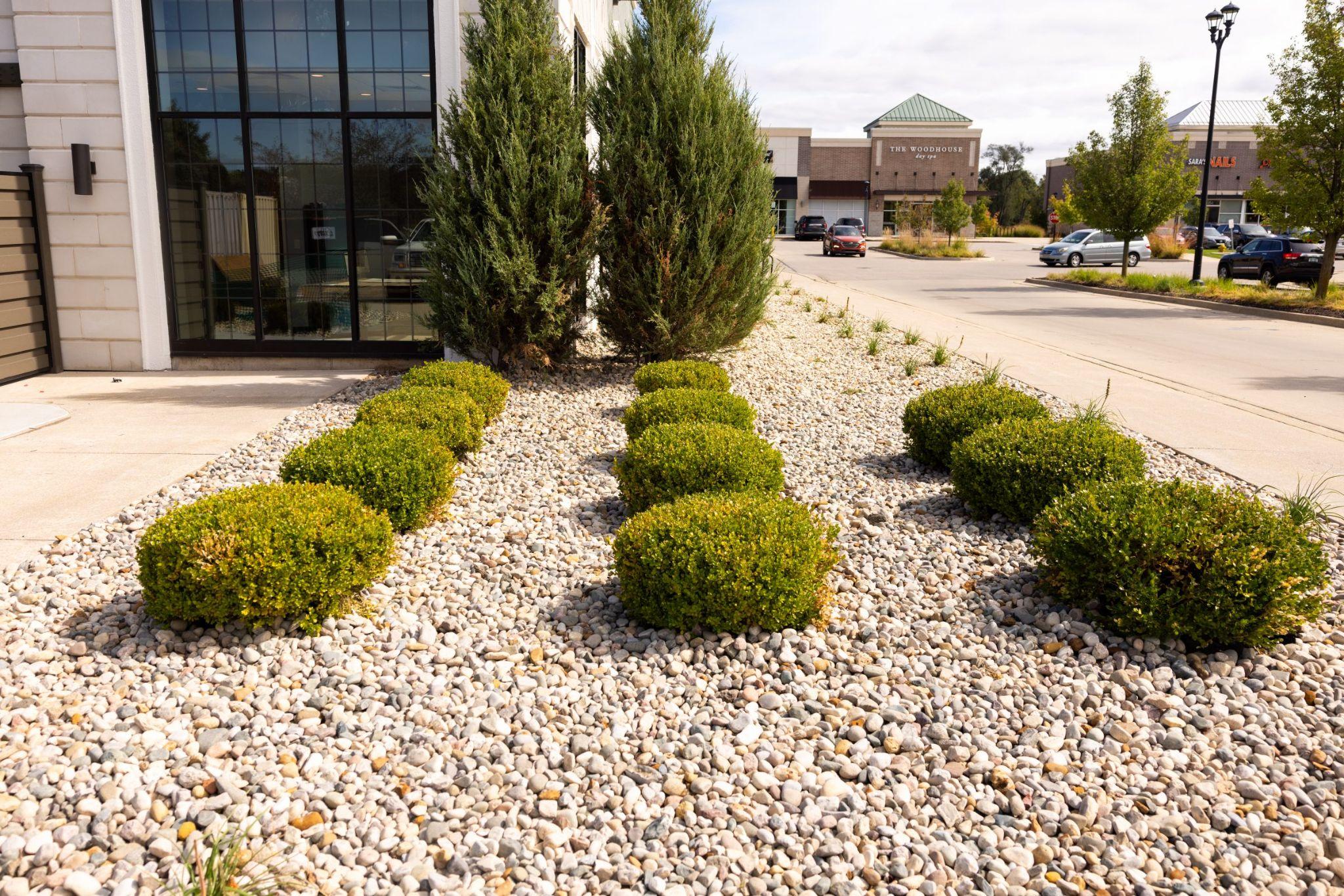
Certain areas of a commercial property influence visitor impressions more than others. Entrances, signage zones, and walkways often shape how people perceive the entire property.
Professional commercial lawn care services recognize the importance of maintaining these areas with particular attention to detail.
Lawn care for office buildings and commercial sites often prioritizes entrance areas where visitors arrive and interact with the property. Clean edges along sidewalks, evenly cut turf near entrances, and well-maintained landscape beds create a polished appearance.
Maintaining these high-visibility areas demonstrates how commercial lawn care services contribute to a professional environment.
Even small improvements in these locations can significantly influence how visitors and tenants view the property.
8. Consistent Quality Across The Entire Property
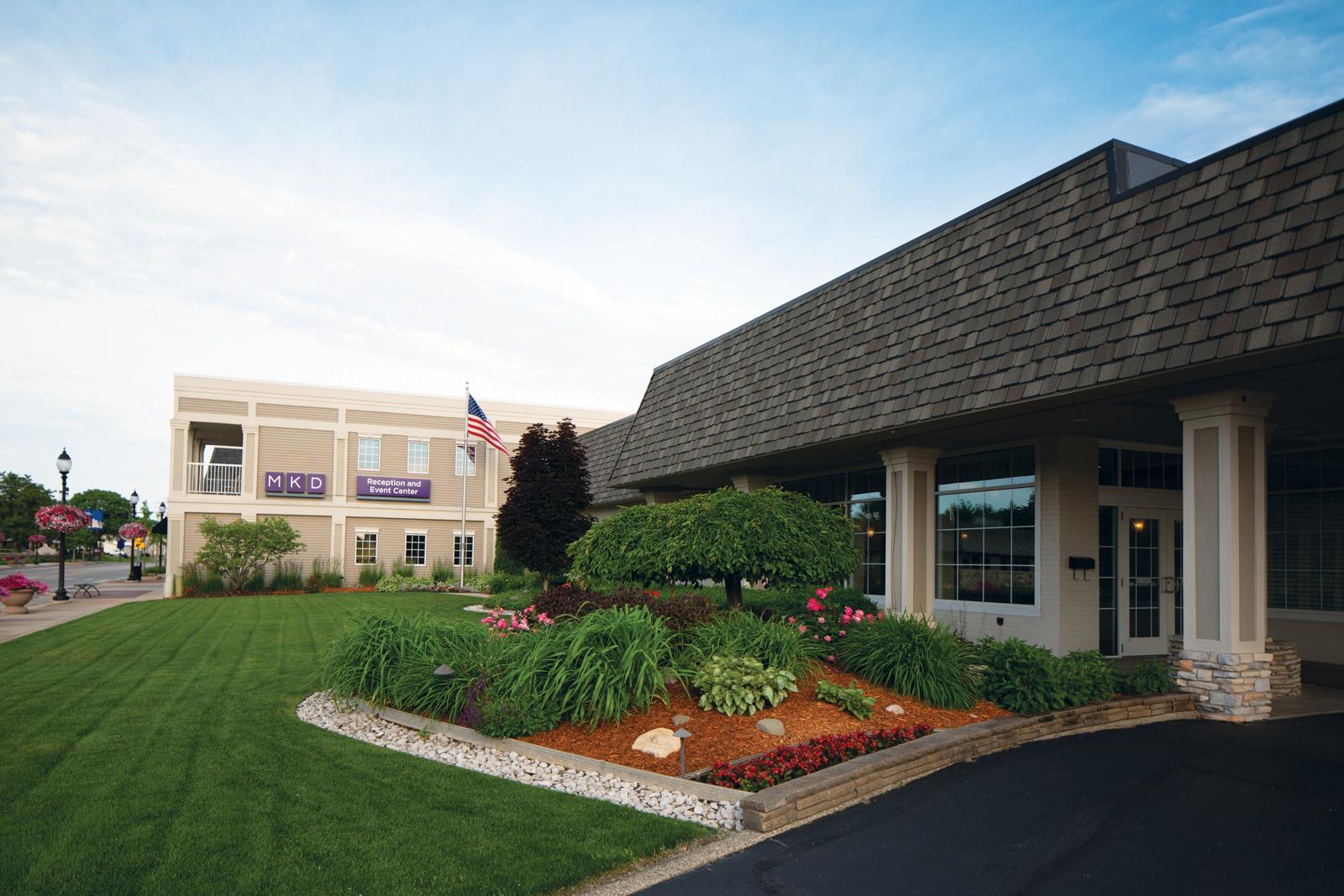
While high-visibility areas deserve attention, the rest of the property must also receive consistent care. Effective commercial lawn care services maintain uniform quality across the entire landscape.
When maintenance occurs unevenly, some sections of the lawn may appear healthier than others. This inconsistency can become noticeable over time and affect the overall appearance of the property.
Uniform lawn care supports healthier turf because every area receives the same mowing schedule, fertilization program, and monitoring.
Consistent commercial lawn care services also demonstrate how commercial lawn care improves property appearance. Even turf, clean edges, and well maintained grass areas reflect careful property management.
Consistency across the landscape ensures the property maintains a cohesive and organized appearance while supporting long term turf health.
9. Ongoing Review And Feedback
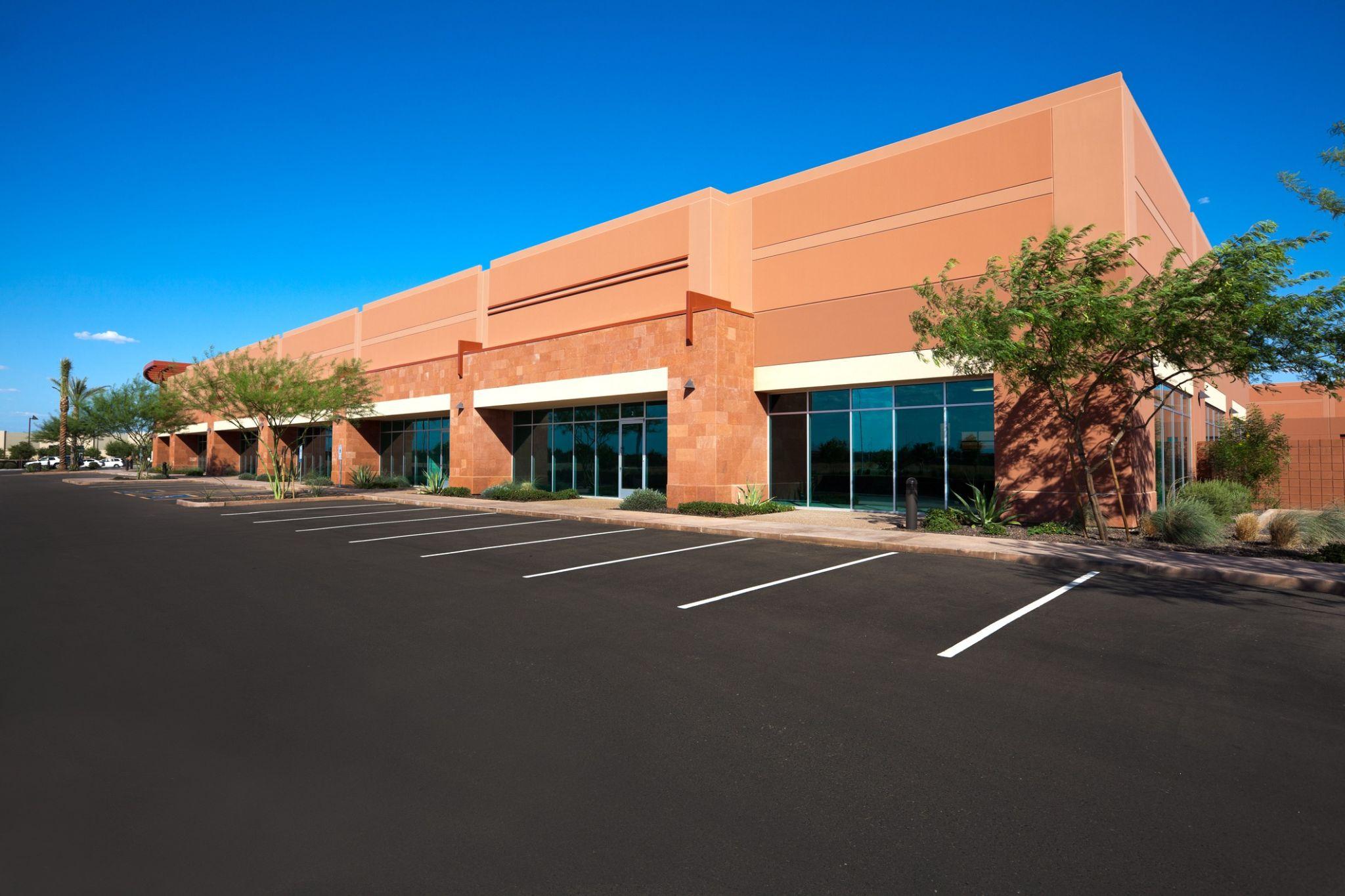
Maintenance plans benefit from regular evaluation. Reliable commercial lawn care services include opportunities for review and feedback between property managers and maintenance teams.
Over time, property needs may change. New landscape areas may be added, or certain sections of the property may require additional attention.
Regular discussions allow maintenance plans to adapt to these changes while maintaining consistent service standards.
Feedback also allows property managers to highlight areas where commercial lawn care services can improve efficiency or appearance.
Ongoing communication ensures the maintenance program remains aligned with the goals of the property and helps maintain a strong working relationship between property managers and maintenance providers.
10. A Plan That Connects With Full Property Maintenance
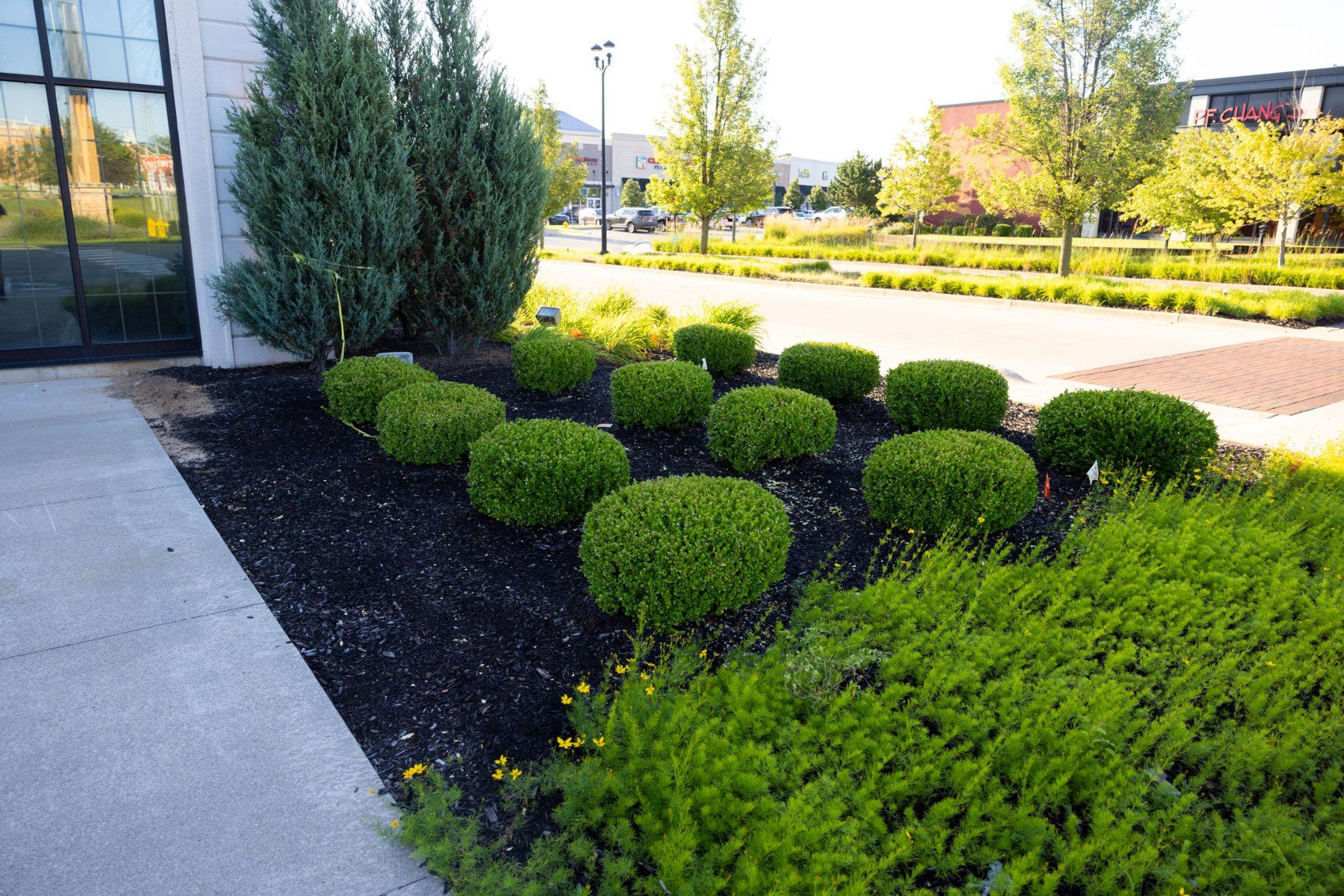
Landscaping plays an important role in the overall operation of a commercial property. Effective commercial lawn care services work alongside other maintenance systems that keep the property accessible and safe.
Lawn care influences drainage patterns, walkway accessibility, and the organization of outdoor spaces. These connections become especially important during winter when snow and ice management begins.
Coordinated landscape maintenance helps prepare properties for winter conditions. For example, clearly defined lawn edges and maintained walkways make snow clearing more efficient.
You can learn more about year-round landscape care here.
Winter conditions also require careful planning. Snow and ice services support safe access for tenants and visitors during colder months.
When commercial lawn care services connect with broader property maintenance systems, outdoor care becomes part of a complete site management strategy.
Keeping Your Property Organized And Consistent
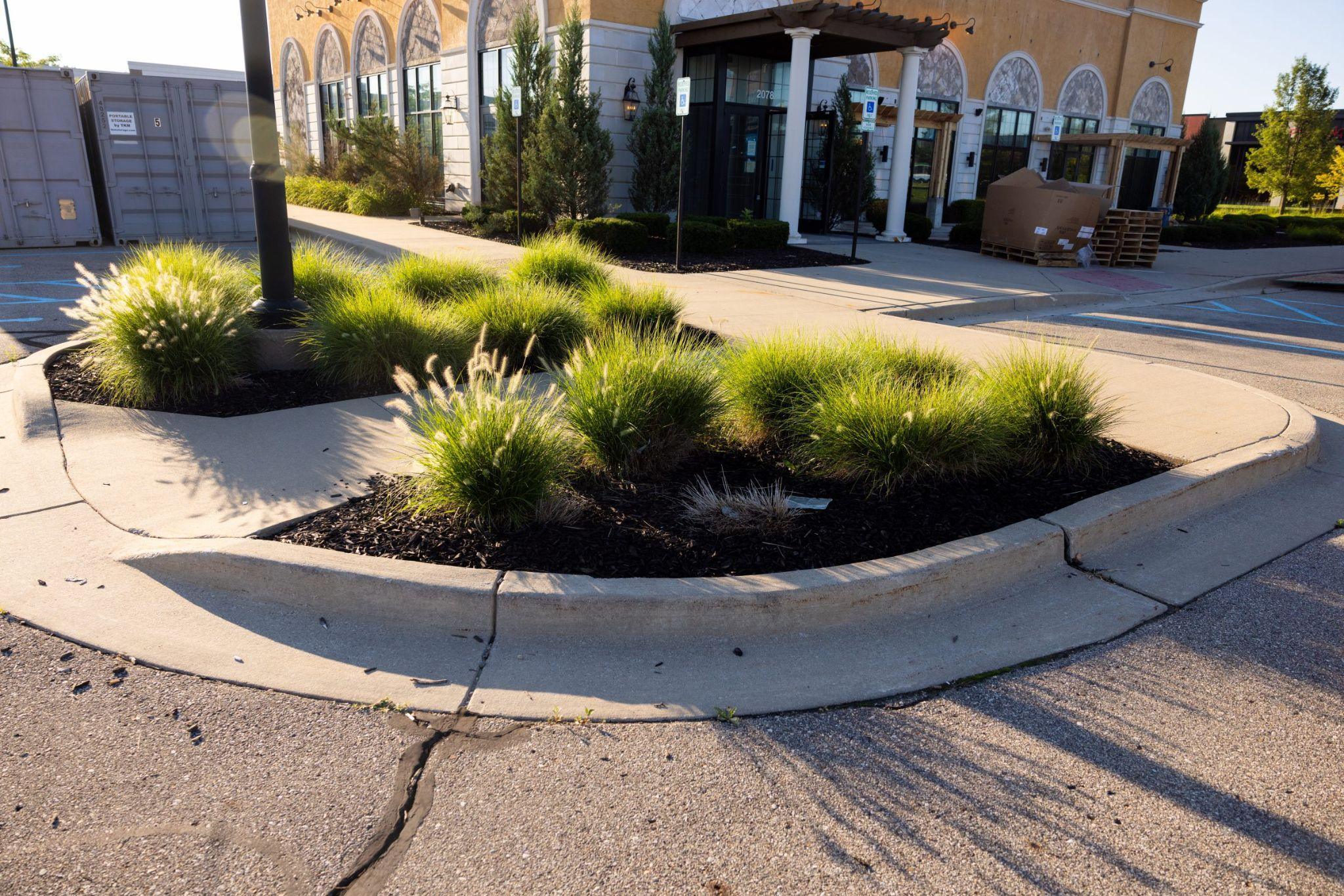
A structured approach to commercial lawn care services helps commercial properties maintain consistent outdoor environments throughout the year. When maintenance schedules, irrigation coordination, seasonal planning, and communication work together, landscapes remain healthy and organized.
Property managers benefit from predictable maintenance schedules and fewer unexpected issues because commercial lawn care services follow a clear plan that supports both turf health and operational efficiency.
Well-planned commercial lawn care services also make it easier to maintain a professional property appearance. Healthy turf, evenly maintained lawns, and clean landscape edges contribute to a site that looks cared for and professionally managed.
Over time, reliable commercial lawn care services reduce the need for reactive maintenance.
If you want to explore how structured commercial lawn care services could support your property and simplify day-to-day management, you can request a quote.
Summary
A structured plan for commercial lawn care services helps commercial properties maintain healthy turf, consistent maintenance schedules, and professional outdoor spaces. When commercial lawn care services follow an organized maintenance strategy, lawns remain easier to manage and visually consistent throughout the year.
Tags: