
Commercial Irrigation Maintenance: Your Questions Answered
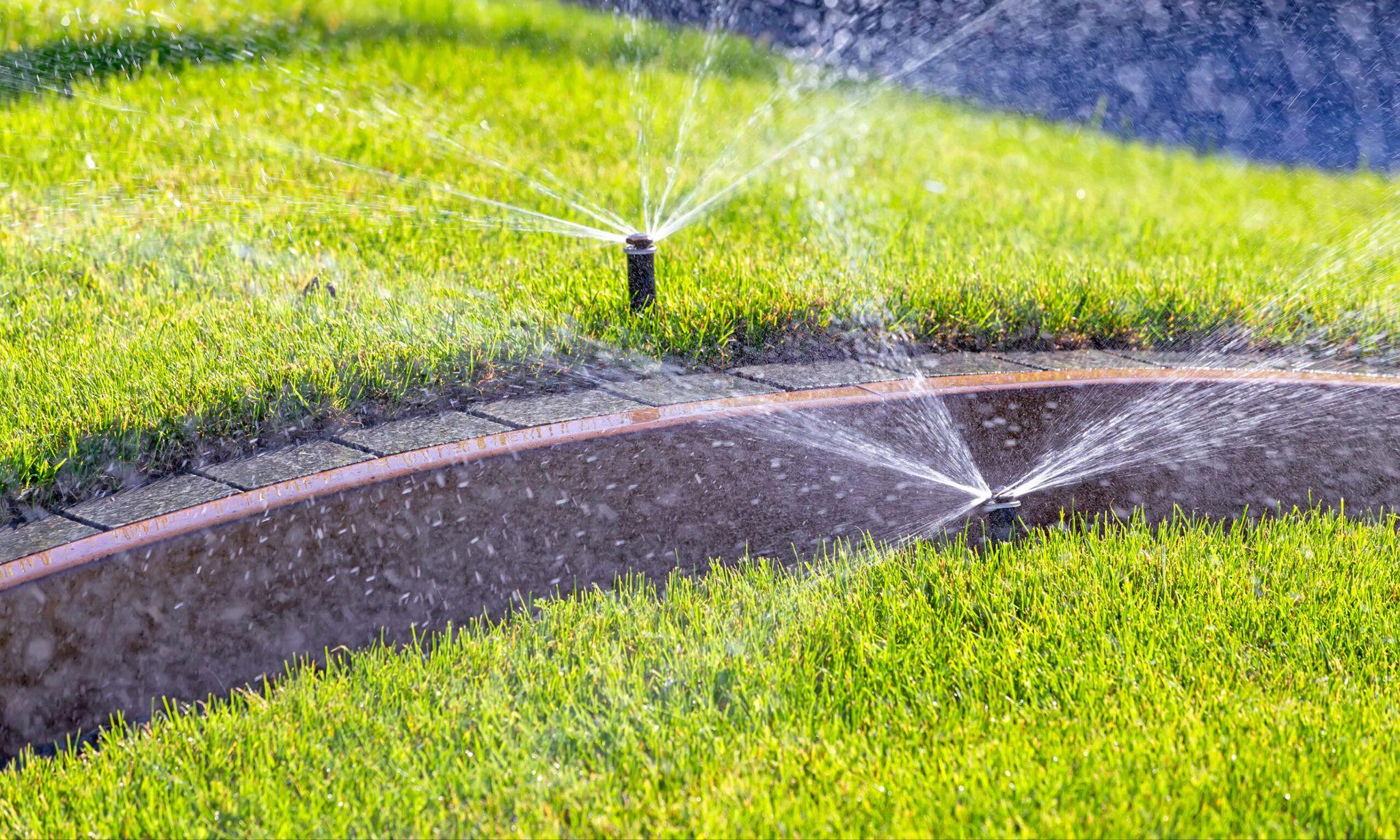
Irrigation systems play a critical role in maintaining a consistent, healthy commercial landscape. When they are working properly, watering happens quietly in the background. Turf stays green, plant beds remain balanced, and the overall property appearance stays consistent.
Issues tend to surface only when performance drops. Dry areas, oversaturated zones, or inconsistent plant health often point to uneven water distribution. Because irrigation systems run automatically, these problems can develop gradually and go unnoticed until visible damage appears.
Ongoing irrigation maintenance helps ensure the system continues operating as intended without adding to your daily workload. Regular oversight allows small adjustments to be made before they affect turf health or site appearance.
Irrigation is also connected to the overall health of your landscape and property maintenance plan. If you want to understand how irrigation fits into broader landscape care and seasonal property management, you can read more in this guide on commercial landscape maintenance.
The questions below outline how irrigation maintenance works and what consistent system oversight involves.
What Does Commercial Irrigation Maintenance Include?
Commercial irrigation maintenance focuses on keeping every part of the system operating efficiently and consistently. During routine inspections, technicians evaluate sprinkler heads, valves, system pressure, and controller settings.
These checks help confirm that each irrigation zone is distributing water evenly across the property. Misaligned heads, clogged nozzles, or pressure inconsistencies can quickly create uneven coverage, leading to stressed turf or excessive runoff.
Maintenance also involves identifying worn or damaged components, monitoring system performance, and adjusting schedules based on site conditions. Addressing these issues early helps prevent more noticeable landscape problems later in the season.
At its core, irrigation maintenance is about consistent monitoring and fine-tuning, not just reacting when something fails.
How Do Commercial Irrigation Systems Typically Work?
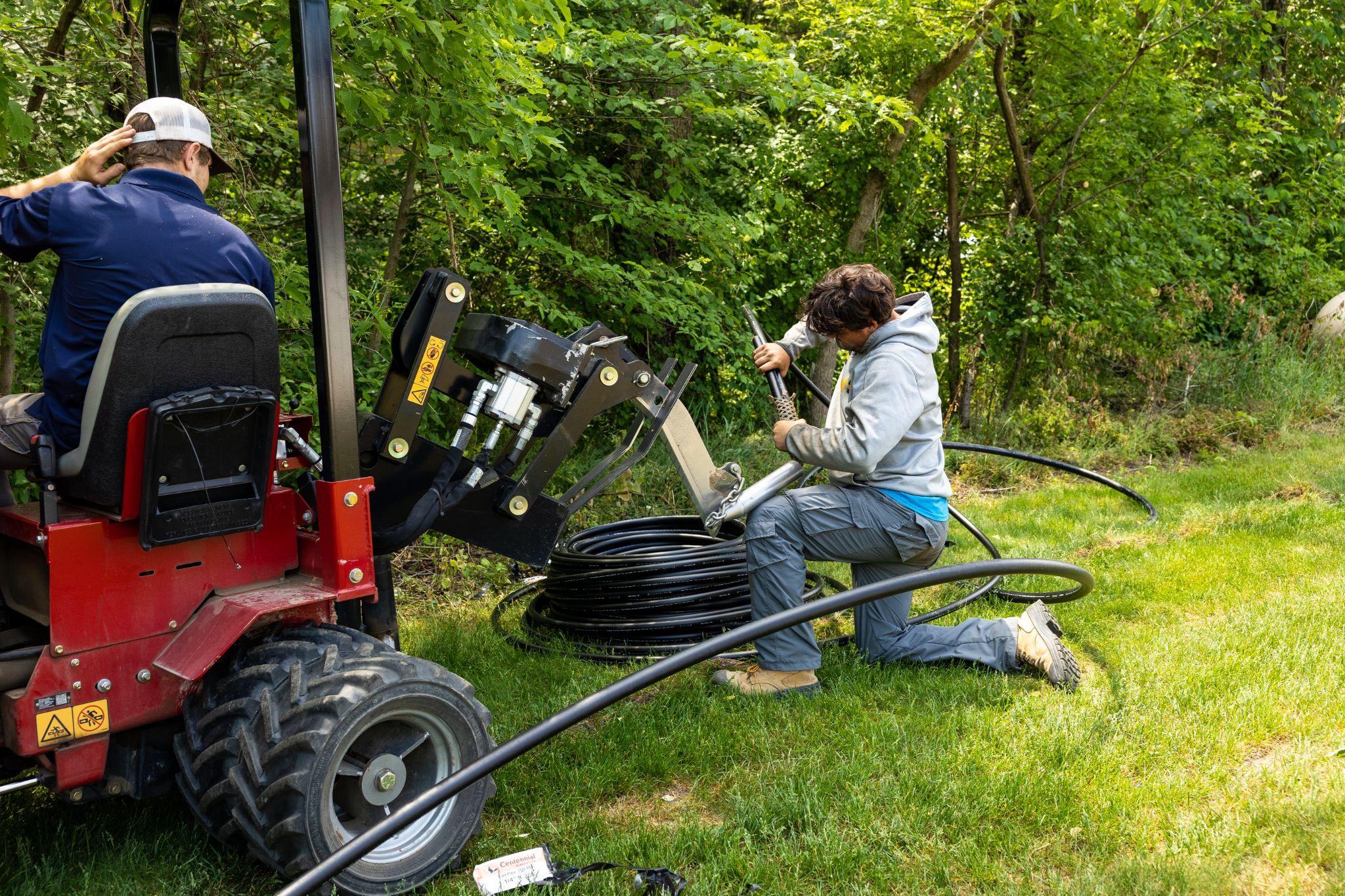
Understanding how irrigation systems operate helps explain why ongoing maintenance is important. Most commercial systems rely on automated controllers connected to underground piping networks.
Water is distributed through these pipes and delivered through sprinkler heads positioned throughout turf and planting areas. Each zone runs on a programmed schedule that controls timing and duration.
When properly calibrated, the system delivers even coverage across the entire landscape. However, small issues such as pressure fluctuations, blocked valves, or shifted sprinkler heads can disrupt that balance.
Routine system checks ensure these components remain aligned and functioning as expected, keeping water distribution consistent across all areas.
Why Does Irrigation Matter For Commercial Landscapes?
Consistent moisture is essential for maintaining healthy turf and plant material. Irrigation systems provide the steady water supply needed to support root development, plant stability, and overall landscape appearance.
Balanced watering helps turf establish deeper root systems, making it more resilient during warmer conditions. It also supports uniform growth, reducing patchiness and improving the visual consistency of the property.
Plant beds and shrubs rely on the same level of consistency. When water distribution becomes uneven, plant stress can develop quickly, affecting both health and appearance.
Reliable irrigation supports long-term landscape performance by maintaining stable growing conditions across the entire site.
How Often Should Irrigation Systems Be Checked?
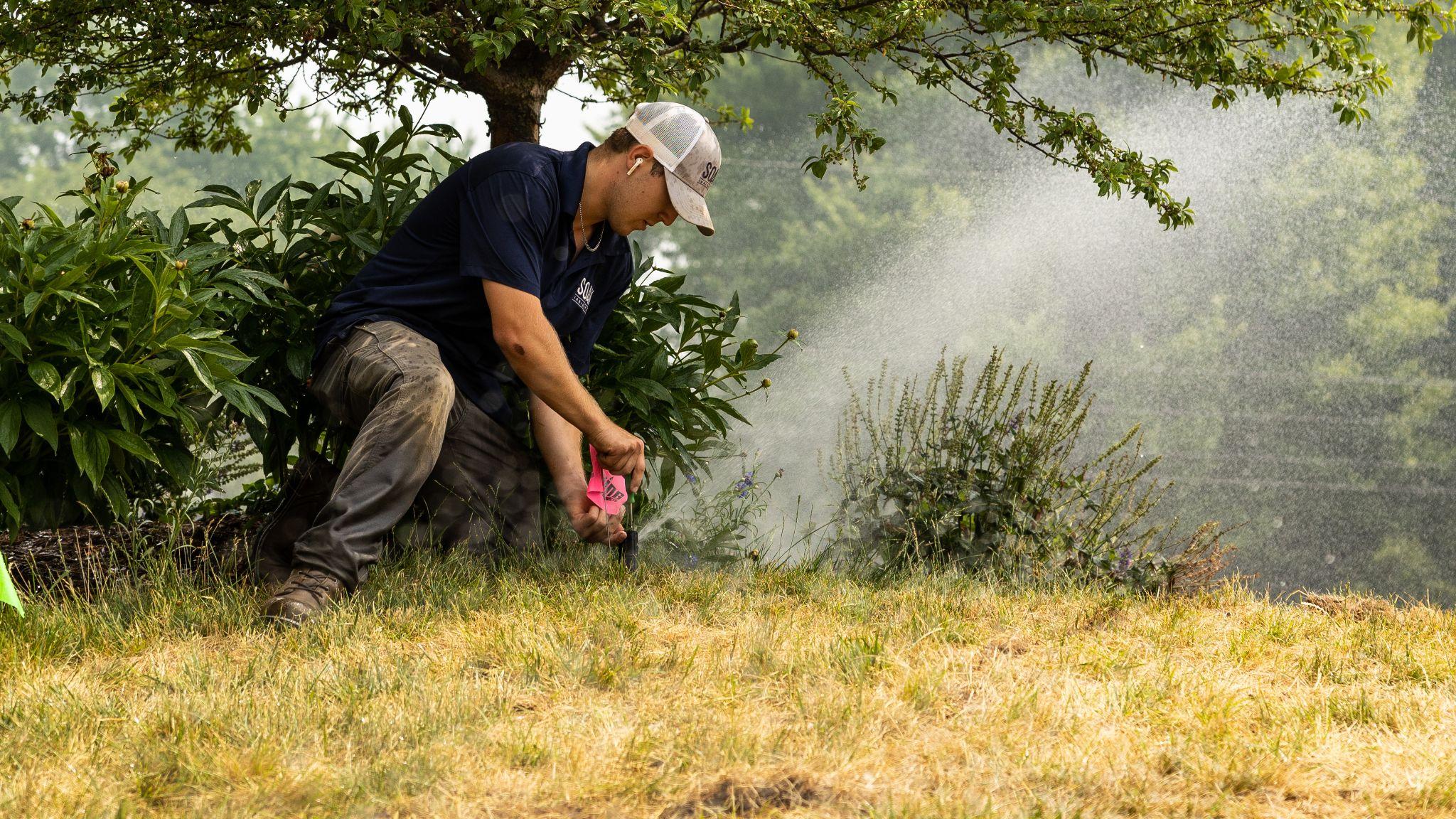
Irrigation systems should be reviewed regularly throughout the growing season. Seasonal transitions are key checkpoints, but ongoing monitoring during peak growth periods is equally important.
System performance can shift due to weather changes, soil conditions, or normal wear. Regular inspections allow adjustments to be made before those changes affect the landscape.
Controller settings are also reviewed to ensure watering schedules align with current conditions. As temperatures and rainfall patterns change, irrigation timing must be adjusted to maintain proper soil moisture levels.
Consistent oversight helps avoid both under-watering and unnecessary water use.
What Are Common Signs Irrigation Systems Need Attention?
Landscape conditions often provide early indicators of irrigation issues. Uneven grass colour, dry patches, or areas of standing water can all signal that water is not being distributed properly.
Other signs include sprinkler heads spraying hard surfaces, inconsistent coverage between zones, or visible runoff. These issues often develop gradually and may not be immediately obvious without regular observation.
Routine inspections help identify these problems early by evaluating coverage patterns, system pressure, and overall performance.
Addressing these concerns early helps prevent turf damage and maintains consistent landscape quality.
How Does Irrigation Support Lawn And Plant Health?
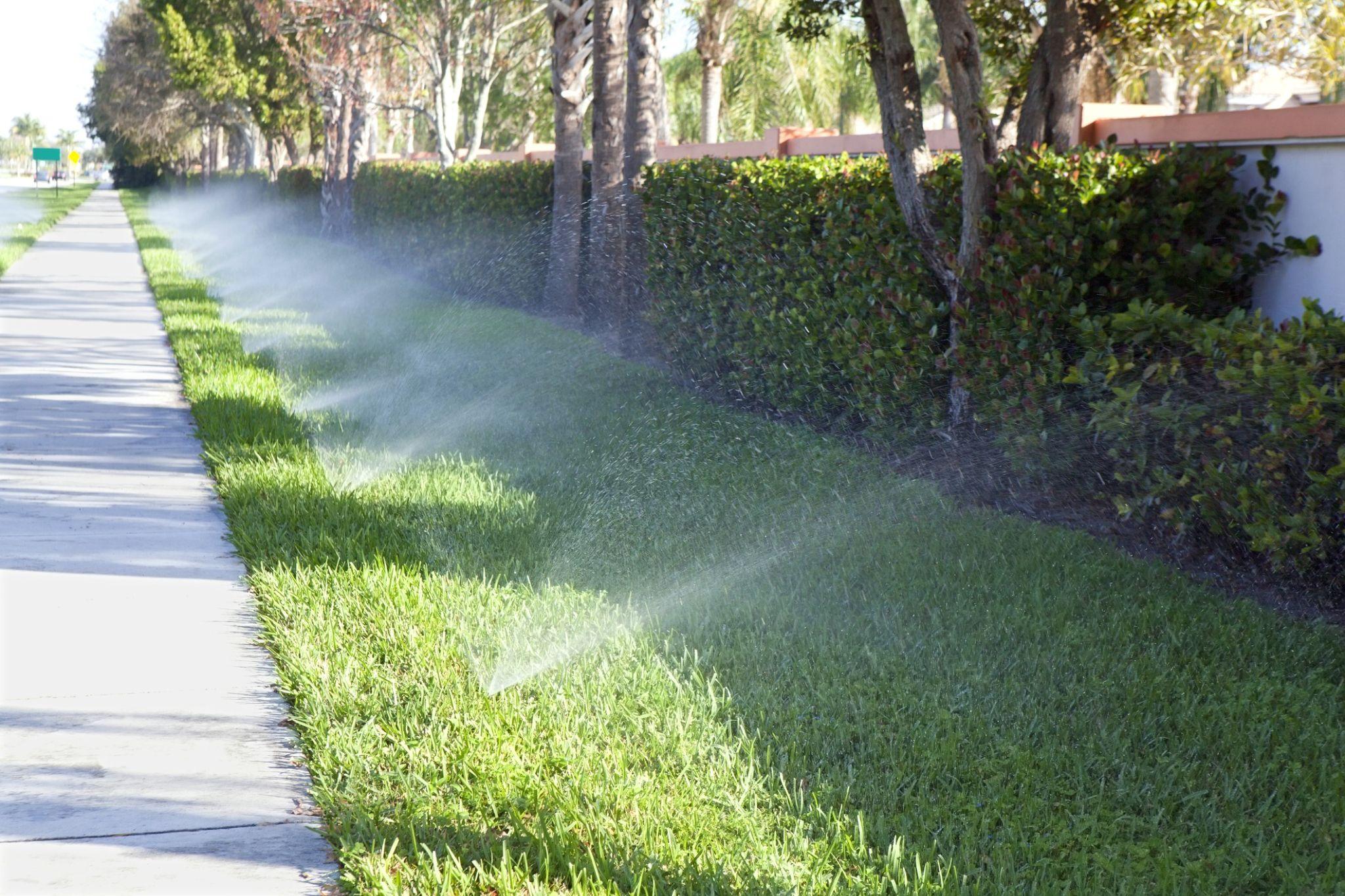
Healthy landscapes depend on reliable, balanced watering. When irrigation systems are properly maintained, they deliver consistent moisture across turf and planting areas.
This consistency supports stronger root development, allowing lawns to remain stable during periods of heat or reduced rainfall. It also promotes even growth, which contributes to a more uniform and well-maintained appearance.
Plant beds benefit from the same level of precision. Proper watering supports steady growth while reducing the risk of plant stress caused by inconsistent moisture levels.
Reliable irrigation plays a foundational role in maintaining long-term landscape health.
What Happens If Irrigation Maintenance Is Overlooked?
When irrigation systems are not monitored regularly, small performance issues can develop into larger problems.
Minor misalignments or pressure inconsistencies can lead to uneven watering, which may not be noticeable right away. Over time, this can result in turf stress, plant decline, and inconsistent growth patterns across the property.
In some cases, excess water can contribute to runoff or soil instability, while insufficient coverage can weaken root systems and reduce plant resilience.
Regular system oversight helps prevent these issues by identifying and correcting imbalances early.
What Happens During Seasonal Irrigation Adjustments?
Irrigation systems require adjustments throughout the year to match changing environmental conditions.
During warmer months, watering schedules may increase to support active growth. As temperatures drop, irrigation cycles are reduced to reflect slower plant development and lower moisture demand.
Seasonal adjustments involve reviewing controller programming, evaluating zone performance, and ensuring the system is delivering the appropriate amount of water for current conditions.
These updates help maintain consistent landscape health throughout the year.
How Are Issues Identified Before They Affect Your Site?
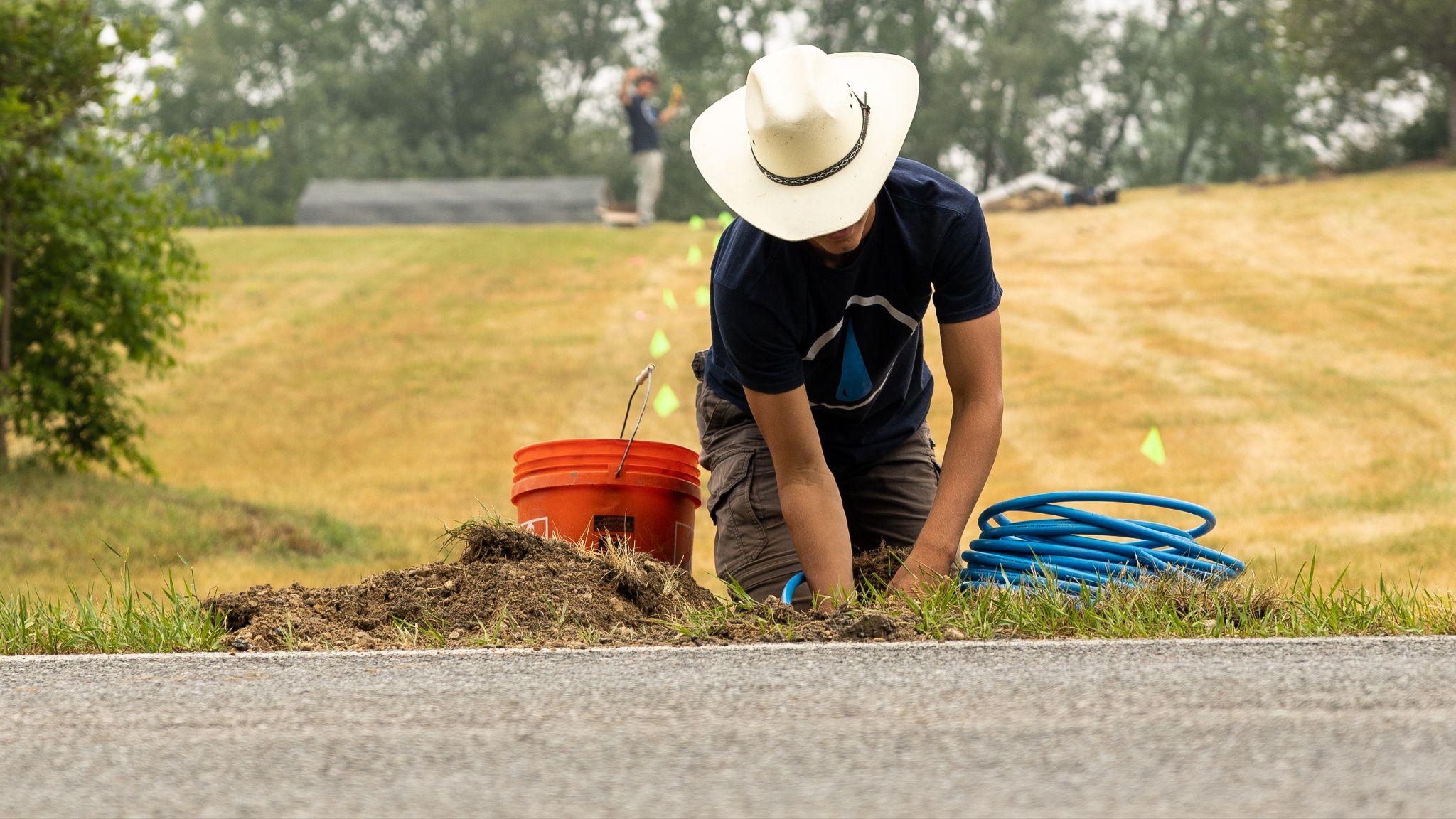
Routine inspections are designed to catch performance issues early. Technicians evaluate sprinkler coverage, monitor system pressure, and check for signs of wear or obstruction.
These evaluations often reveal subtle problems such as uneven distribution, restricted flow, or timing inconsistencies that may not yet be visible in the landscape.
By identifying these issues early, adjustments can be made before they impact turf quality or plant health.
This proactive approach helps maintain consistent system performance and reduces the likelihood of larger disruptions.
How Does Communication Work When Irrigation Needs Service?
Clear communication ensures property managers remain informed about system performance and any required adjustments.
When inspections identify issues, updates are provided so decisions can be made efficiently and in coordination with other landscape services. Irrigation maintenance is often integrated with broader property care programs, making alignment between services important.
Consistent communication helps ensure irrigation work supports overall property operations without disruption.
How Does Irrigation Tie Into Overall Property Maintenance?
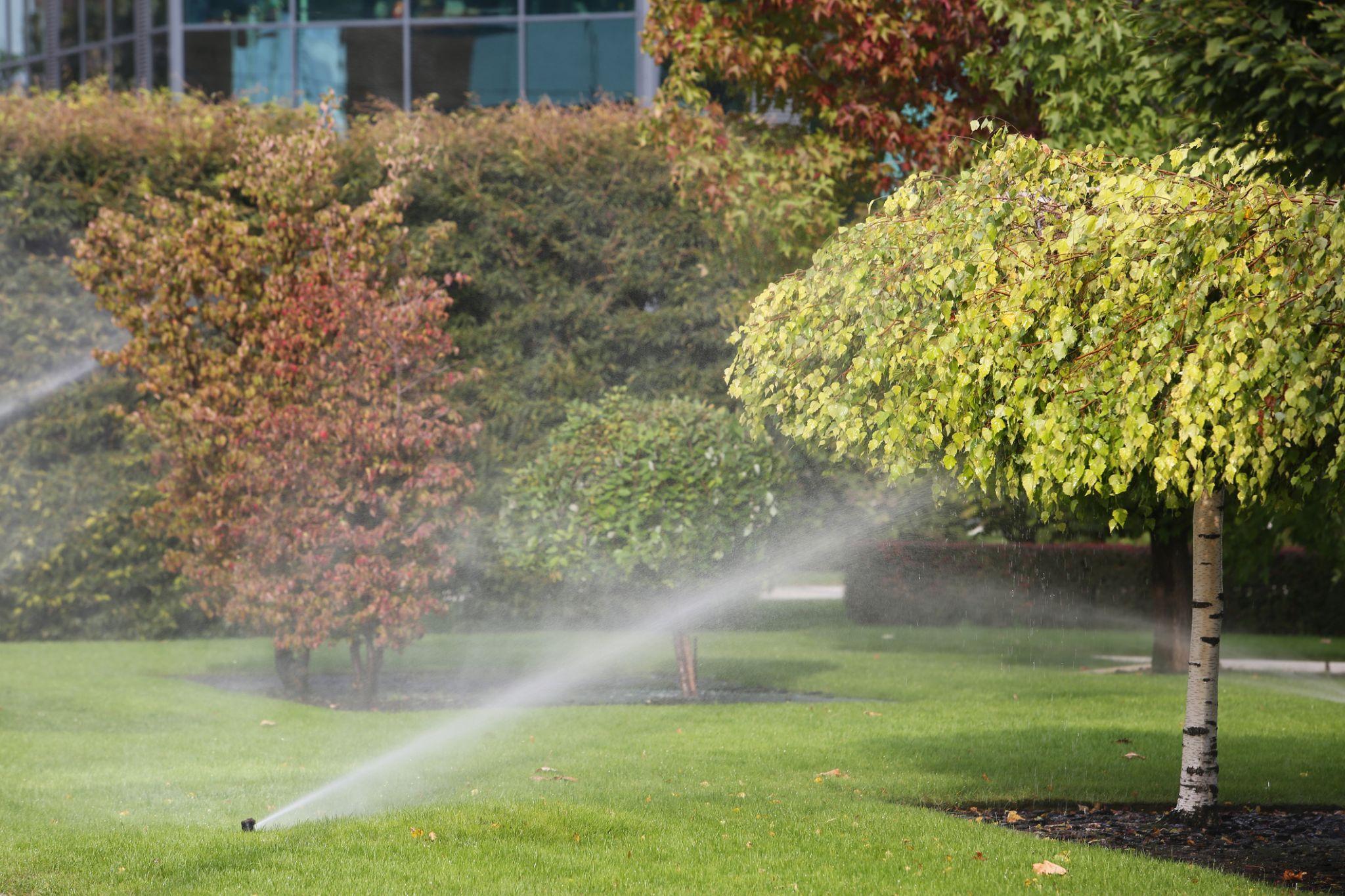
Irrigation systems are closely connected to overall landscape performance. Consistent watering supports turf health, plant stability, and the visual quality of the property.
These systems also work alongside seasonal services. Well-maintained landscapes transition more effectively into seasonal changes, including preparation for winter conditions.
A coordinated approach ensures irrigation supports both day-to-day landscape care and long-term property maintenance goals.
What Should You Expect From Ongoing System Oversight?
Ongoing irrigation oversight means systems are monitored consistently, not only when problems occur.
Regular evaluations allow technicians to track system performance, adjust schedules, and identify potential concerns early. This approach helps maintain efficient operation while supporting stable landscape conditions.
Consistent oversight ensures irrigation systems continue performing as expected throughout the season.
How Does Proactive Irrigation Care Make Your Role Easier?
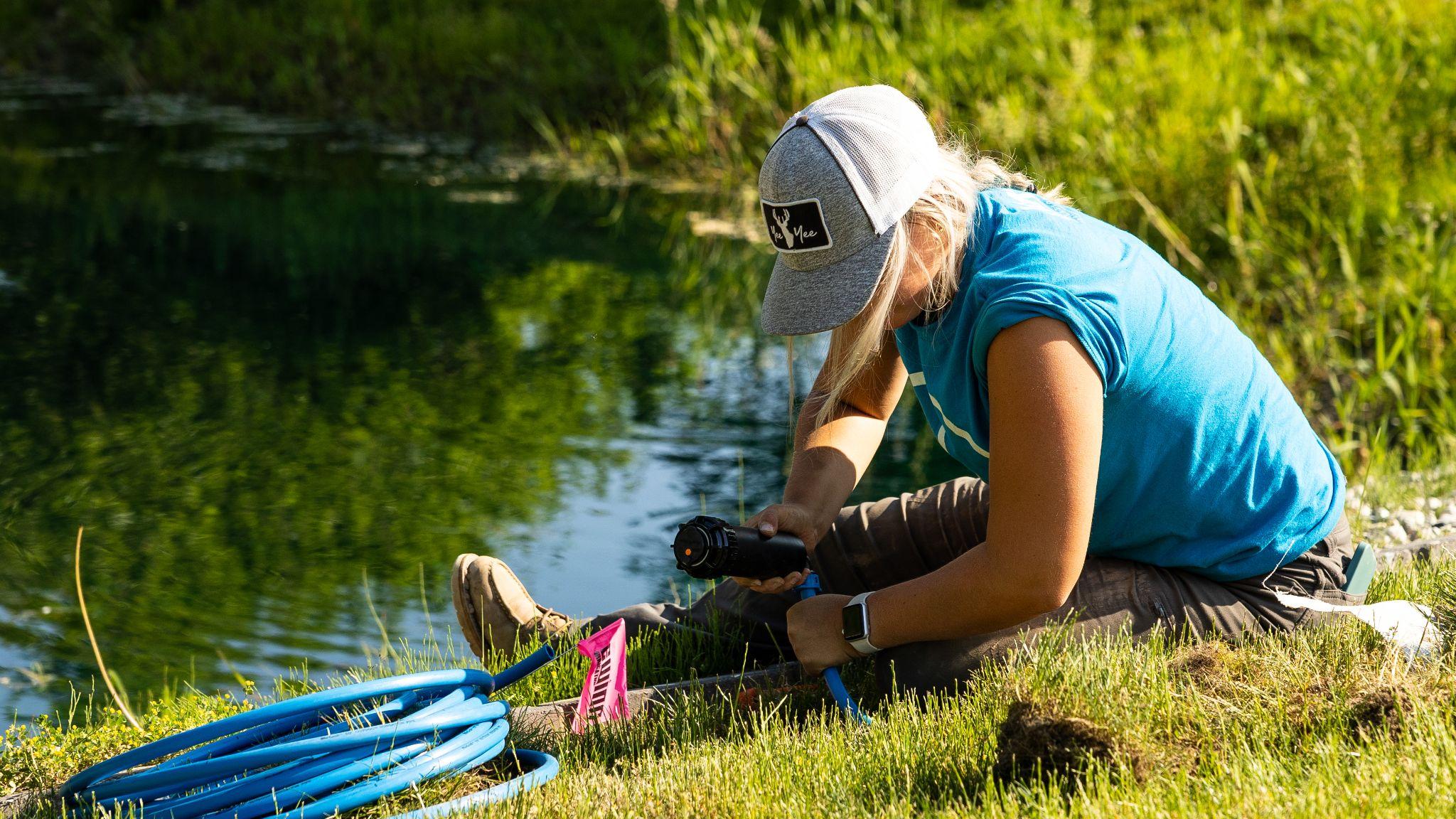
Managing a commercial property involves balancing many responsibilities. Reliable irrigation oversight helps reduce the time spent addressing landscape issues by keeping systems operating consistently.
With routine monitoring and adjustments, irrigation schedules stay aligned with site conditions, reducing the need for reactive fixes.
This approach supports healthier landscapes while simplifying day-to-day property management.
If you would like to learn how irrigation monitoring can support your property, be sure to connect with our team and request a quote.
Summary
Consistent irrigation maintenance supports healthy landscapes, balanced water distribution, and reliable system performance across commercial properties. Regular monitoring, seasonal adjustments, and proactive system checks all contribute to maintaining stable, well-performing landscapes throughout the growing season.
Tags: