
Commercial Landscape Maintenance and Snow Removal: What You Need to Know
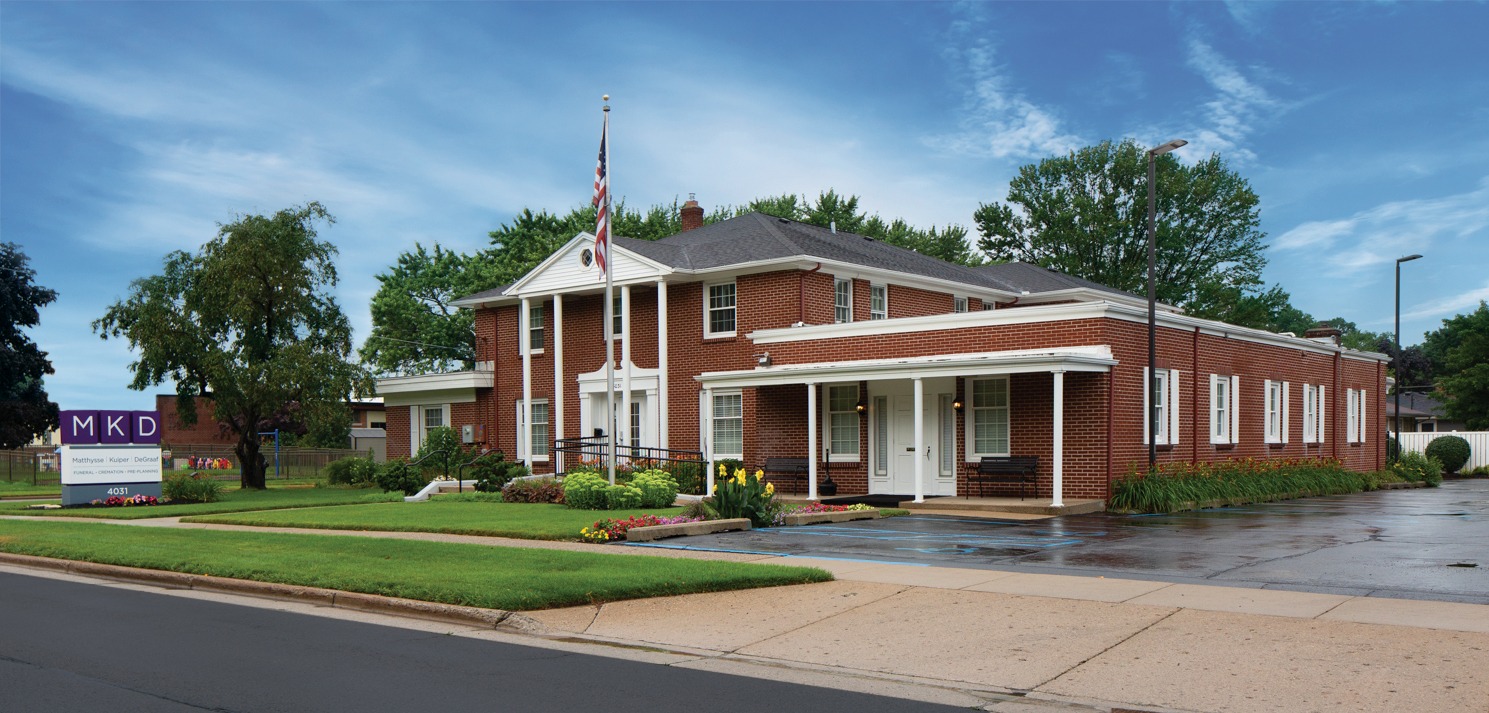
Managing a commercial property comes with constant responsibility. Safety, accessibility, appearance, tenant satisfaction, and risk management all compete for your attention. While indoor systems often get the most focus, outdoor spaces quietly influence nearly every aspect of how your property functions. Parking areas can determine first impressions. Walkways affect pedestrian safety. Landscaped zones influence drainage, visibility, and long-term asset value. In winter, snow and ice can quickly turn these same areas into liability concerns if not handled correctly.
When outdoor maintenance is reactive or fragmented, issues escalate fast. A delayed snow response leads to slip hazards and tenant complaints. Poor landscape upkeep affects curb appeal and site usability. Multiple contractors working independently create gaps in coverage and confusion about responsibility. A structured, year-round approach helps eliminate that chaos. When commercial landscape maintenance and snow removal are managed together, your property benefits from continuity, planning, and accountability. Instead of reacting to seasonal problems, you operate within a system designed to support your site in every condition.
This guide explains how that system works, what to expect from a full-service maintenance approach, and how a coordinated strategy supports your role as a commercial property owner or manager.
What Is Commercial Landscape Maintenance and Snow Removal?
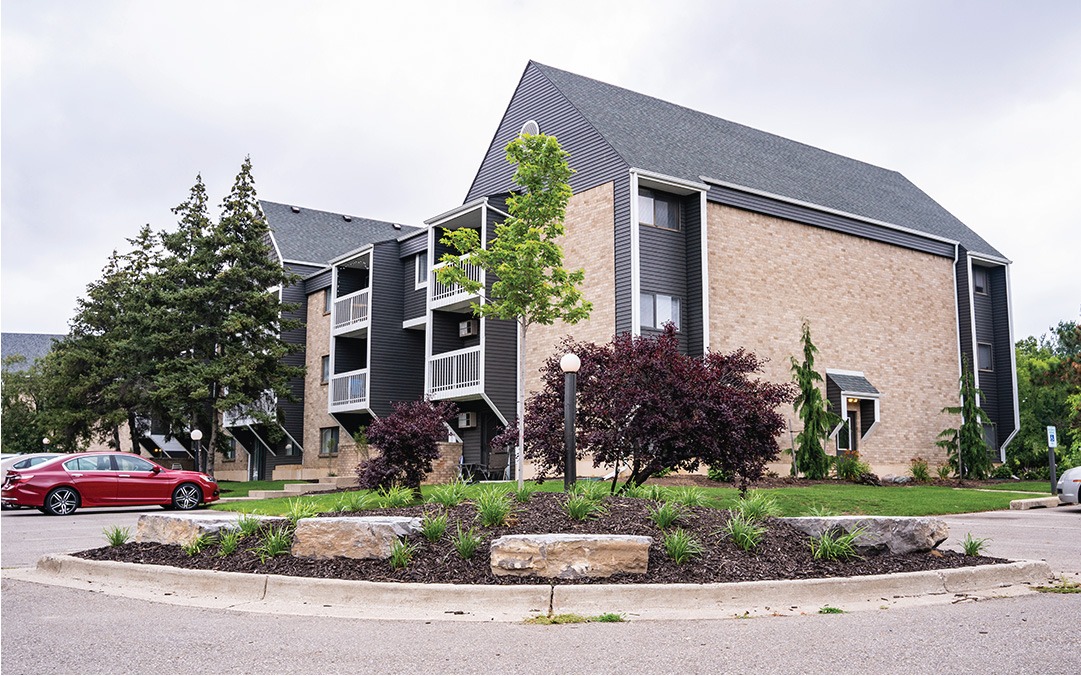
Commercial landscape maintenance and snow removal refers to the ongoing, coordinated care of outdoor commercial properties across all seasons. Rather than treating landscaping and winter services as separate or unrelated tasks, this approach views the property as a connected environment that requires consistent oversight. Each service supports the next, ensuring site conditions remain safe, functional, and well managed regardless of seasonal changes.
At a basic level, commercial landscape maintenance includes the routine care of turf, planting beds, trees, and common exterior areas. This typically involves mowing, edging, pruning, debris removal, weed control, and monitoring overall site conditions. These tasks form a core part of commercial grounds maintenance responsibilities, supporting appearance, safety, and long-term landscape health.
Snow removal and ice management add a critical layer during winter months. These services focus on keeping parking lots, access roads, sidewalks, loading zones, and entrances safe and accessible during snow and freezing conditions. Timely response and consistent treatment help reduce slip hazards, maintain traffic flow, and support uninterrupted access for tenants, employees, and emergency services throughout winter weather events. To truly understand what is included in commercial landscape maintenance, it helps to look beyond surface-level tasks. As a property owner or manager, commercial grounds maintenance responsibilities include:
- Maintaining clear sightlines and visibility
- Ensuring pedestrian and vehicle safety
- Managing water flow and drainage
- Preserving plant health and site structure
- Supporting tenant access and operations
These responsibilities apply across a wide range of commercial properties, including office complexes, retail plazas, industrial facilities, healthcare campuses, educational institutions, and mixed-use developments.
Commercial snow removal services explained simply: snow and ice are addressed according to predetermined plans, with clear trigger points and response priorities. The goal is to prevent hazards, not react to them after incidents occur.
When commercial landscape maintenance and snow removal are managed together, nothing is left to chance. The same team that understands your site layout, drainage patterns, and traffic flow during warmer months is responsible for winter response. That continuity reduces errors, improves efficiency, and strengthens overall site management.
How Year-Round Property Maintenance Protects Your Site
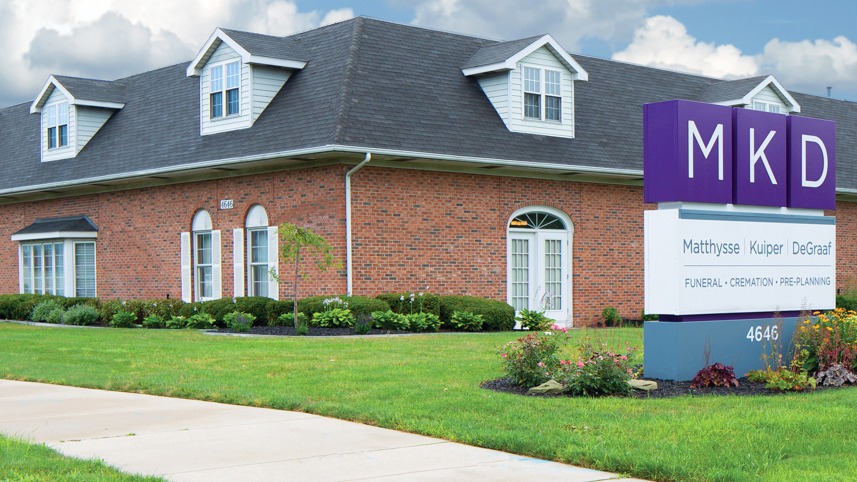
Understanding how commercial property maintenance works year round reveals why consistency is so important. Outdoor environments are dynamic systems. Decisions made in one season directly affect performance in the next. Small issues left unaddressed can compound over time, creating safety risks and increasing long-term maintenance costs.
For example, poorly maintained turf and compacted soil reduce water absorption. That leads to pooling during fall rains and ice buildup during winter freeze-thaw cycles. In contrast, healthy soil structure and proper grading improve drainage and reduce winter hazards. Regular monitoring allows these conditions to be corrected early, before they impact site safety or usability.
Year-round property maintenance protects your site in several critical ways.
Protecting Hardscapes and Infrastructure
Routine monitoring and upkeep help extend the life of pavement, curbs, walkways, and hardscape features. Clearing debris, managing vegetation encroachment, and addressing minor surface issues early prevents costly repairs later and reduces deterioration caused by weather exposure. Regular attention also helps identify developing cracks, shifting surfaces, or drainage problems before they compromise safety or require more extensive repairs.
Supporting Drainage and Water Management
Landscaping plays a major role in directing water flow. Proper grading, maintained swales, and healthy plant beds reduce runoff and standing water. This becomes especially important during snowmelt, when uncontrolled water can refreeze and create hazardous conditions. Ongoing landscape maintenance helps ensure drainage systems function as intended, minimizing ice formation, surface damage, and safety risks throughout freeze-thaw cycles.
Improving Winter Readiness
Sites that are maintained year-round are easier to service in winter. Clearly defined edges, visible curbs, and maintained access routes allow snow crews to work efficiently without damaging property features. When site conditions are clearly marked and well maintained, snow removal can be completed faster and more accurately, reducing the risk of missed areas, property damage, and safety hazards during winter operations.
Reducing Liability Exposure
Consistent service schedules, documented inspections, and proactive maintenance demonstrate due diligence. If an incident occurs, having a clear maintenance history supports risk management and insurance considerations.
When commercial landscape maintenance and snow removal are integrated, planning replaces reaction. You know what will happen, when it will happen, and how issues will be addressed. That predictability reduces stress and supports smoother property operations throughout the year.
What You Can Expect From a Full-Service Maintenance Partner
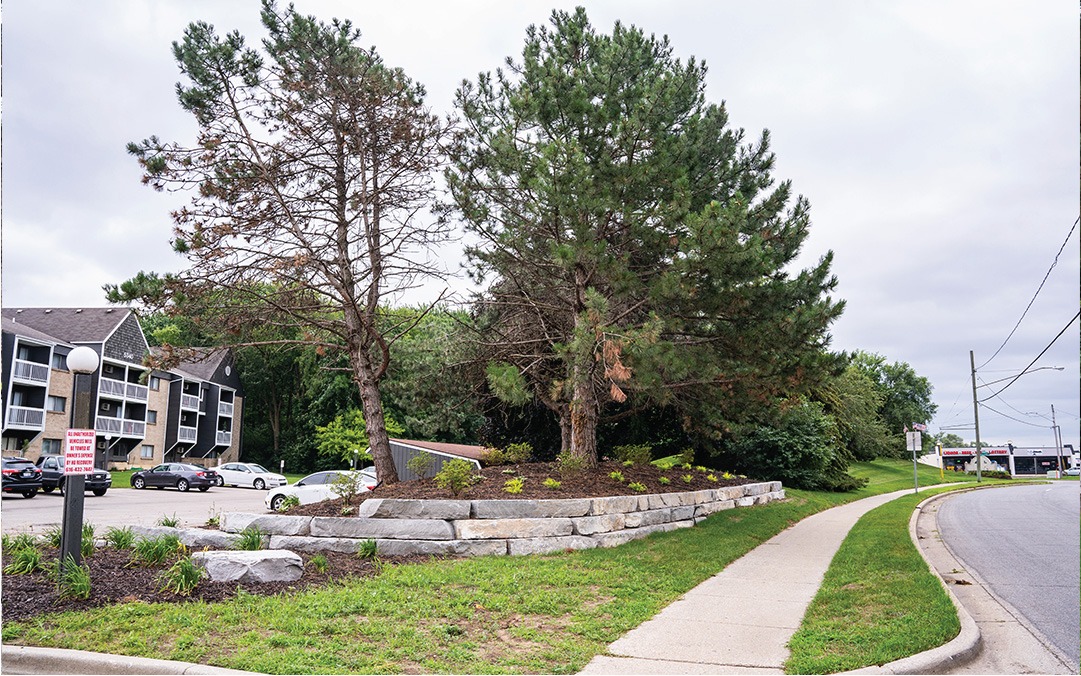
The benefits of full service commercial property maintenance extend well beyond having fewer vendors. A full-service partner provides structure, clarity, and accountability across all seasons. Instead of managing separate contracts and service schedules, you operate within a coordinated system designed to support your property year-round. This unified approach reduces confusion, minimizes service gaps, and ensures that maintenance decisions are made with the full site in mind rather than in isolation.
Instead of coordinating separate contractors for landscaping, snow removal, and seasonal cleanups, you work with one team that understands your property as a whole. That team manages scheduling, transitions, and priorities without requiring constant direction from you. This reduces the risk of missed services, overlapping work, or gaps in coverage that often occur when multiple vendors operate independently.
A full-service commercial maintenance relationship typically includes:
- Regularly scheduled landscape maintenance
- Seasonal cleanups and site preparation
- Ongoing inspections and condition reporting
- Snow plowing, sidewalk clearing, and ice management
- A single point of contact for communication and service coordination
Because one provider oversees the entire scope, service quality remains consistent. The team becomes familiar with your property’s layout, tenant patterns, access points, and sensitive areas, allowing them to anticipate issues before they disrupt operations.
Commercial landscape maintenance and snow removal handled under one structure also improves accountability. There is no confusion about responsibility when issues arise. Communication is streamlined, response times improve, and corrective action happens faster. For property managers overseeing multiple sites, this model significantly reduces administrative workload and helps maintain consistent standards across portfolios, freeing up time for higher-level planning and tenant relations.
How Snow and Ice Management Fits Into Property Care
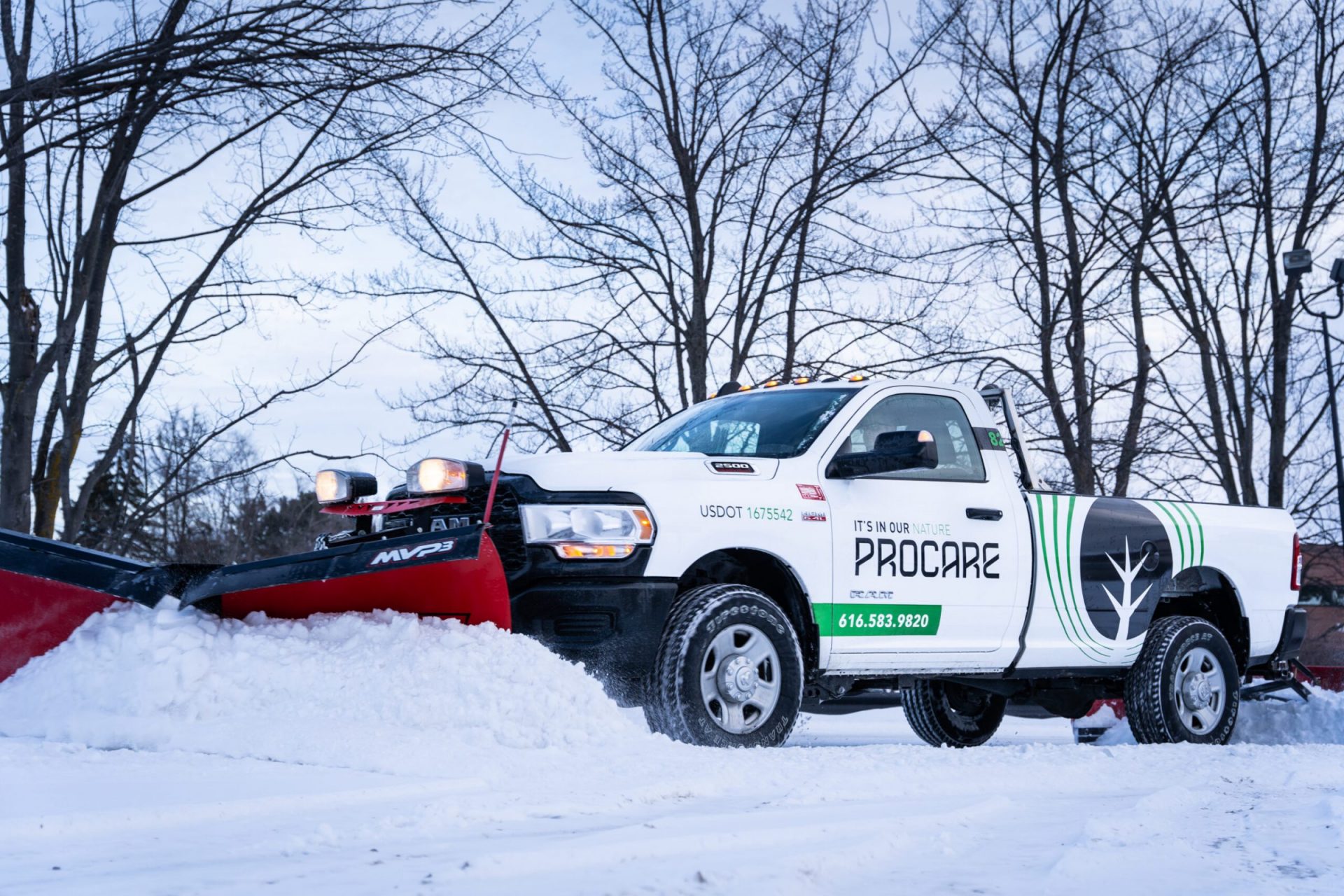
Knowing how to manage snow and ice for commercial properties starts long before the first snowfall. Effective winter service depends on preparation, planning, and site-specific knowledge. Evaluating site conditions in advance allows potential hazards to be identified early and response plans to be established before winter weather creates safety or access issues.
Pre-season planning typically includes detailed site assessments, identification of priority areas, mapping of snow storage locations, and agreement on service triggers. Walkways, entrances, loading docks, fire routes, and emergency access points are all considered. These early evaluations help ensure that winter operations support safety and accessibility without disrupting daily business activity. To learn more about how this is handled in practice, you can also review our snow and ice management services for commercial properties.
Snow and ice management is closely tied to landscape maintenance. Drainage patterns, grading, surface materials, and plant placement all influence how snow accumulates and melts. Poor drainage or unclear site edges can create recurring ice problems that increase liability and damage surfaces over time.
When commercial landscape maintenance and snow removal are coordinated:
- Snow storage areas are chosen to avoid damaging plants.
- Curbs and edges are clearly defined to guide plowing.
- Drainage issues are addressed before winter begins.
- Ice-prone areas are identified and monitored proactively.
Commercial snow removal services explained in practice involve proactive monitoring, timely response, and consistent treatment. Crews are dispatched based on agreed conditions, not guesswork, and service follows a documented plan rather than reactive decisions.
This level of integration protects both your property and the people who use it. It also reduces wear on hardscapes and landscaping caused by rushed or unplanned winter operations, helping preserve site condition while maintaining reliable access throughout the season.
Why Clear Communication Matters for Commercial Properties
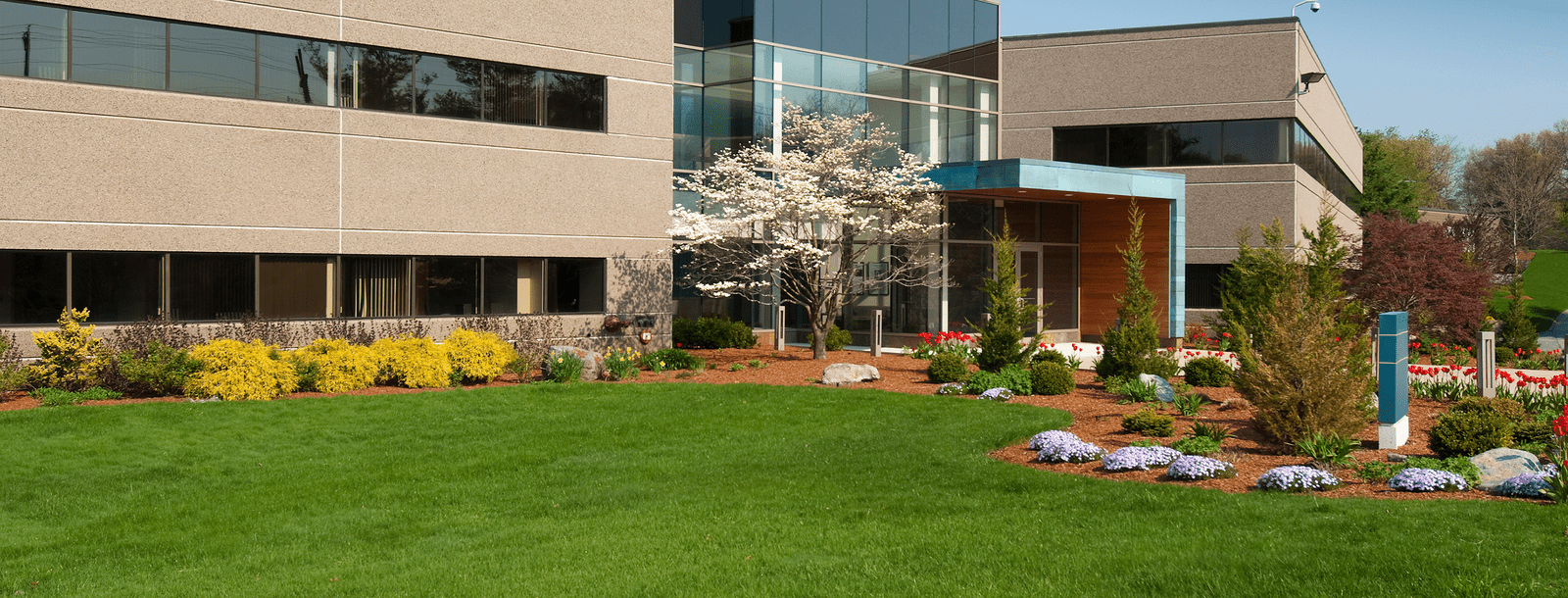
Clear communication is a cornerstone of effective commercial property maintenance. You need confidence that services are being performed as expected and that changes will be communicated promptly. Without clear communication, even well-intentioned maintenance plans can break down under changing site conditions or weather events.
Consistent communication helps prevent misunderstandings and ensures that everyone involved is working from the same information. Clear schedules, defined scopes of work, and timely updates allow you to anticipate maintenance activities and respond to tenant questions with confidence. During winter conditions, proactive notifications about snow response timing and site status help manage expectations and reduce unnecessary concerns.
Strong communication includes:
- Pre-season planning meetings
- Clearly defined scopes of work
- Transparent service schedules
- Real-time updates during snow events
- Post-service reports and documentation
These communication touchpoints provide visibility into what is happening on your property and why certain decisions are made. During winter weather, timely updates help you anticipate site conditions, manage tenant expectations, and respond to concerns before they escalate.
When communication breaks down, issues escalate. Missed snow clearing, unclear responsibilities, and tenant complaints often stem from assumptions rather than poor intent. A lack of documentation can also make it difficult to confirm whether services were completed or to address disputes if incidents occur.
With commercial landscape maintenance and snow removal, clarity prevents confusion. You know what services are included, how response decisions are made, and who to contact if conditions change. Clear communication also supports expectation management. When everyone understands the plan, performance can be measured against agreed standards rather than assumptions, creating a more accountable and reliable maintenance relationship.
How Convenience Reduces Day-To-Day Headaches for You
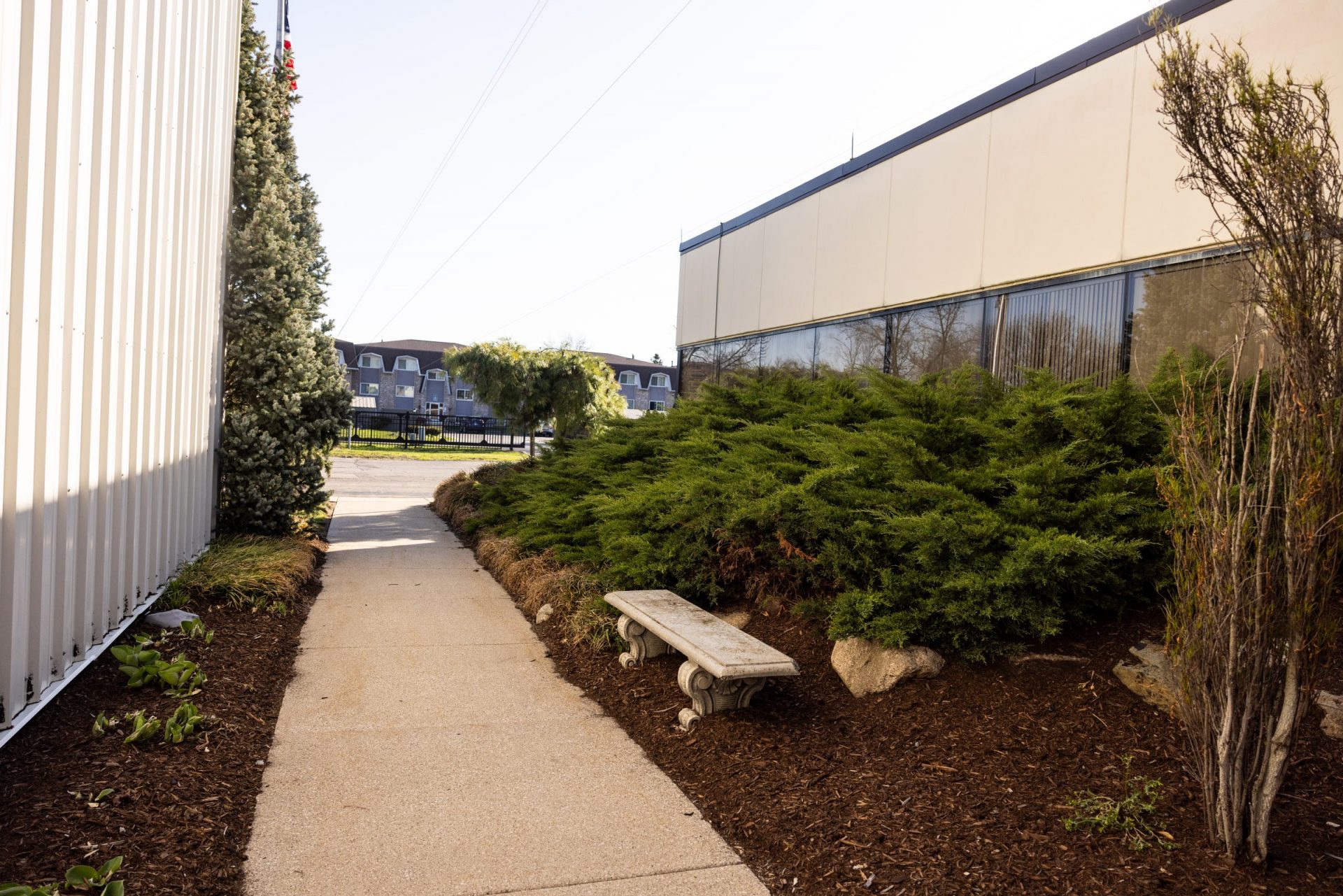
Convenience in commercial maintenance is not about shortcuts or reduced quality. It is about eliminating unnecessary complexity from your role. When systems are well organized, maintenance becomes predictable instead of disruptive.
When services are coordinated, you spend less time managing logistics. You are not tracking multiple schedules, resolving vendor overlaps, or answering tenant questions about who handles what. Instead, responsibilities are clearly defined and managed behind the scenes, allowing you to focus on higher-priority operational and tenant needs.
Problems are addressed before they reach your inbox. Walkways are cleared without reminders. Landscapes stay maintained without constant oversight. Snow events are handled according to plan, based on established triggers rather than last-minute requests. This proactive approach reduces emergencies, complaints, and reactive decision-making.
Commercial landscape maintenance and snow removal managed under one relationship means fewer emails, fewer phone calls, and fewer decisions competing for your attention. Reporting is consolidated, communication is streamlined, and follow-up is simpler.
This simplicity is especially valuable if you manage multiple properties, high-traffic sites, or properties with diverse tenant needs. With fewer moving parts to coordinate, consistency improves across locations and your day-to-day workload becomes far more manageable.
What Trust and Expectation Management Look Like in Practice
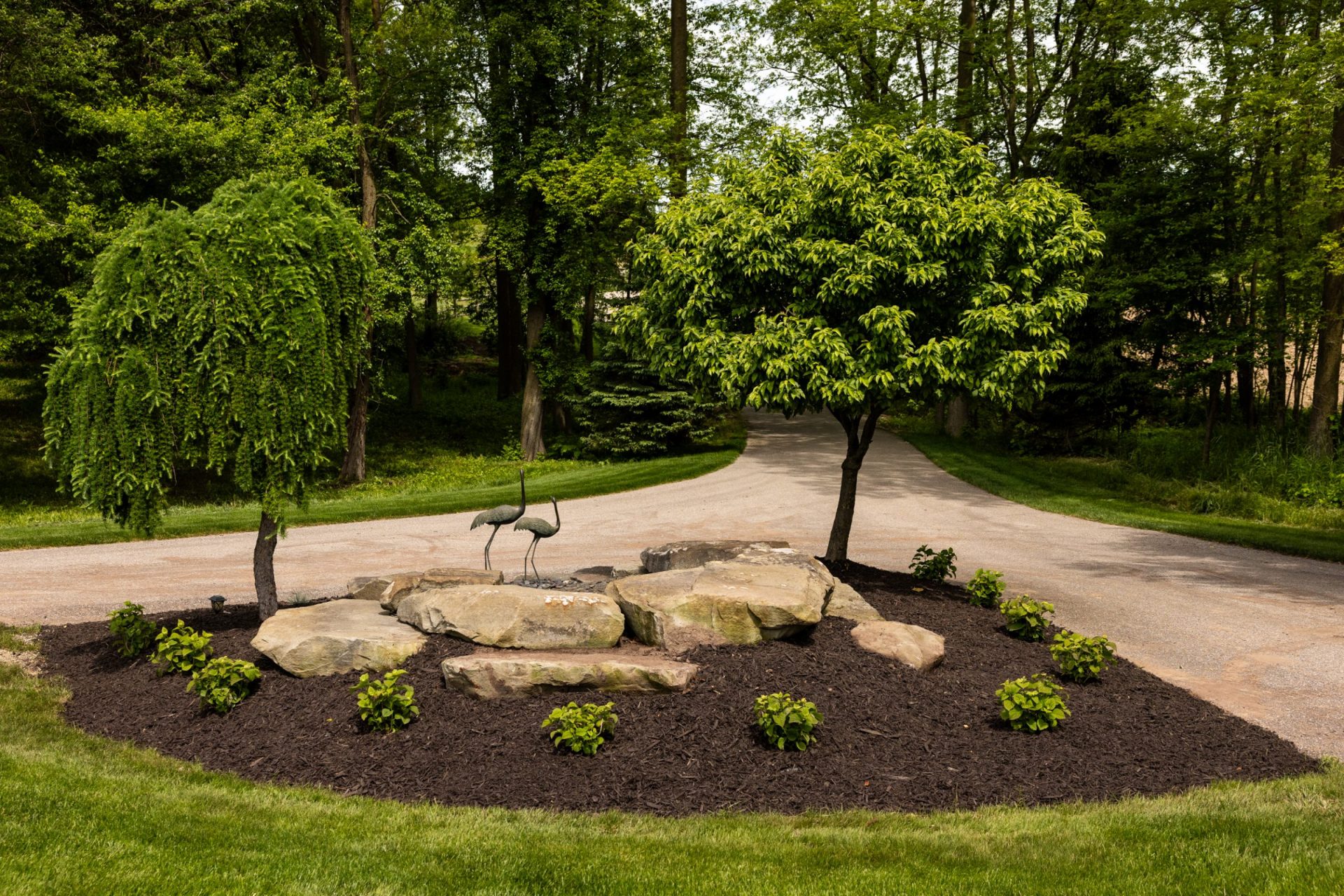
Trust in a commercial maintenance relationship is built gradually through consistent performance. Expectation management ensures that services align with agreed standards and timelines. Without clear expectations, even reliable service can feel inconsistent or unpredictable.
This starts with clear documentation: scopes of work, service frequencies, response times, and communication protocols. These documents create a shared understanding of what success looks like and how issues will be handled when conditions change. From there, reliability reinforces confidence as services are delivered as promised, season after season. Consistency across routine maintenance and winter response builds confidence that your site is being cared for regardless of conditions.
In practice, trust looks like:
- Services occurring as scheduled
- Snow response aligned with agreed triggers
- Early identification and reporting of site issues
- Open discussion when adjustments are needed
- Continuous refinement based on site conditions
With commercial landscape maintenance and snow removal, trust shows up in small details. Crews know your site, understand traffic patterns, and recognize areas that need extra attention during certain conditions. Standards are maintained without micromanagement, and potential problems are addressed before they become disruptions.
Over time, this consistency reduces stress and uncertainty. Instead of managing daily maintenance concerns, you are free to focus on strategic priorities such as tenant satisfaction, budgeting, and long-term asset performance. A dependable maintenance relationship allows you to plan with confidence and operate more efficiently.
How One Team Can Handle Everything From Curb to Doorstep
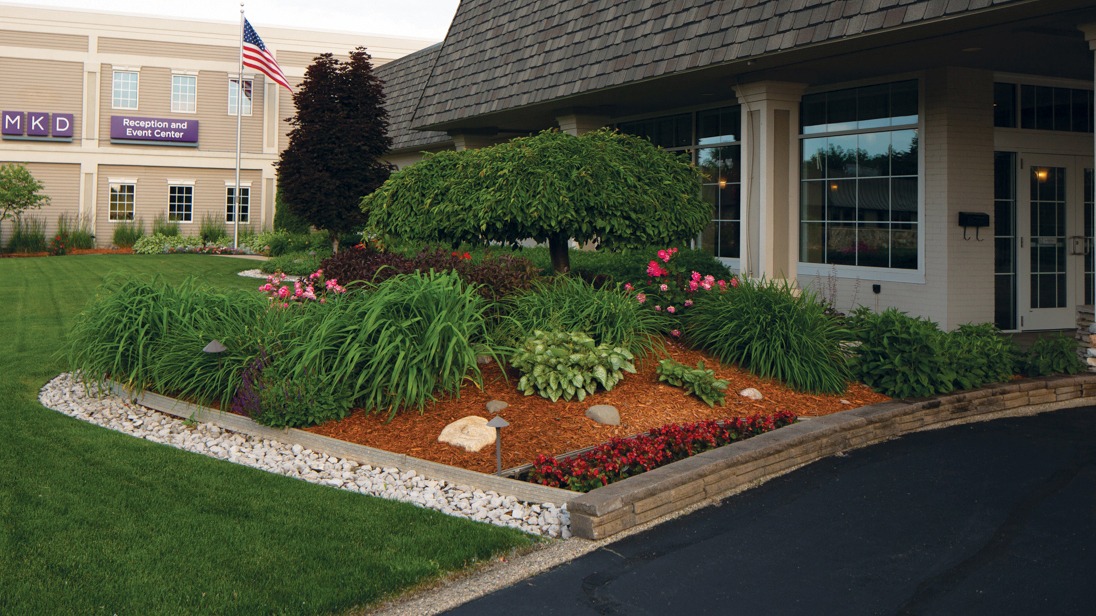
Managing everything from curb to doorstep requires coordination across multiple areas. Parking lots, access roads, sidewalks, entrances, and landscaped zones all interact. What happens in one area directly affects the safety and usability of another, especially during seasonal transitions. A change in grading, drainage, or surface condition can impact how water, snow, and foot traffic move across the site.
When different contractors manage different areas, gaps appear. Snow may be cleared from parking lots but not walkways. Landscaping work may interfere with winter preparation, or snow storage may damage planting beds due to a lack of coordination. These disconnects increase the risk of safety issues, property damage, and tenant complaints.
One team managing commercial landscape maintenance and snow removal understands these connections. Services are planned to support the entire site rather than isolated zones, allowing work to be sequenced properly and conflicts to be avoided before they occur. Snow routes, storage locations, and access points are planned with landscaping and hardscapes in mind.
This integrated approach ensures:
- Safe and accessible entrances
- Protected landscaping during snow operations
- Consistent standards across the property
- Efficient use of time and resources
Your property benefits from seamless transitions between seasons and consistent attention to every area that affects safety and usability. The result is a more reliable experience for tenants, visitors, and staff, along with fewer disruptions, clearer accountability, and smoother day-to-day operations throughout the year.
When Commercial Maintenance Becomes a Long-Term Relationship
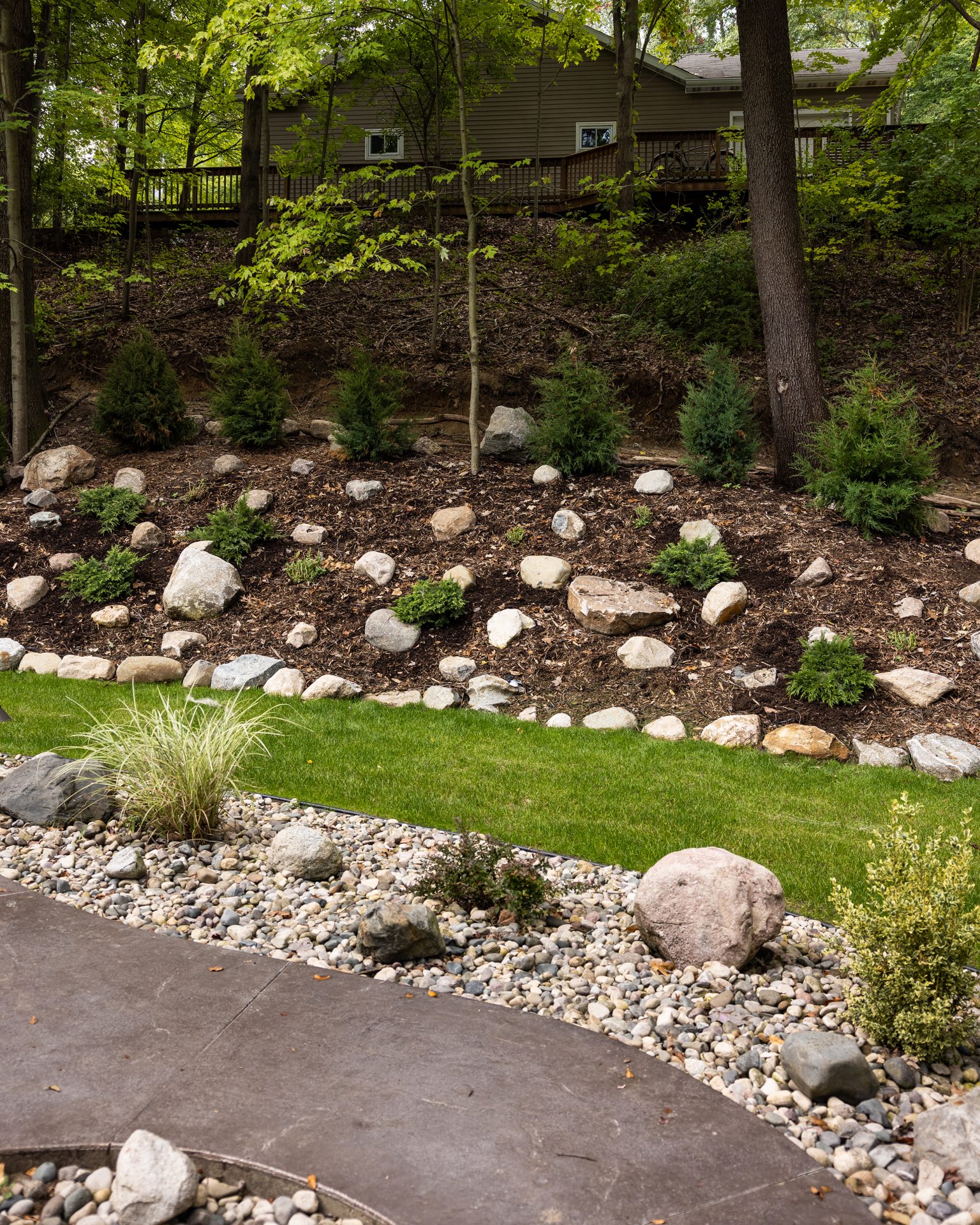
The most effective commercial maintenance arrangements are long-term partnerships. Over time, your maintenance provider develops a deep understanding of your property’s layout, challenges, and priorities. This familiarity allows teams to work more efficiently and make better decisions without needing constant direction.
That familiarity improves planning accuracy, response times, and service quality. Seasonal adjustments are made proactively based on past performance and observed site conditions rather than reacting to problems as they occur. Potential issues such as drainage concerns, high-traffic wear areas, or recurring ice hazards are identified early and addressed before they escalate into costly disruptions.
Commercial landscape maintenance and snow removal handled as an ongoing relationship supports your long-term goals. Your property remains functional, safe, and presentable year after year, even as tenant needs or site usage evolve. Maintenance strategies can be refined to align with budgeting cycles, occupancy changes, and long-term asset planning.
As trust builds, your role becomes easier. You spend less time managing details and more time focusing on tenant satisfaction, asset performance, and operational efficiency. A stable maintenance partnership provides continuity, reduces uncertainty, and supports smoother property operations over the long term. For a closer look at what’s included, explore our Commercial Landscape Maintenance services.
Bringing It All Together
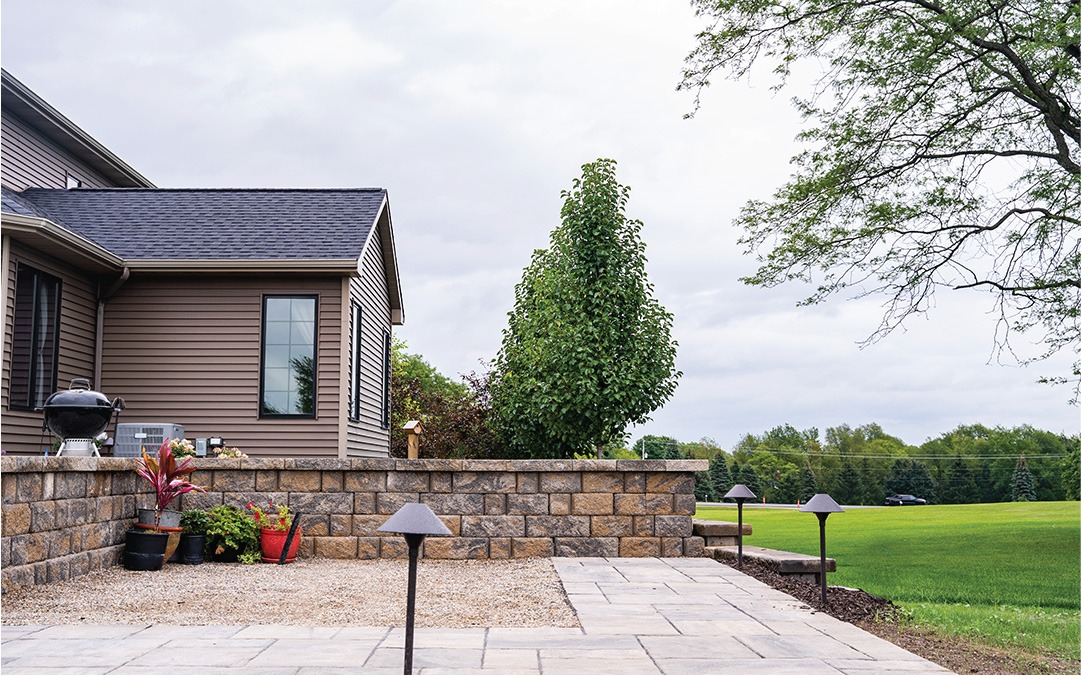
When commercial property maintenance is viewed as a year-round system rather than a series of seasonal tasks, everything becomes more manageable. Landscape maintenance, drainage management, and snow and ice control are not separate responsibilities, they are interconnected parts of how your property functions every day.
Bringing these services together under one coordinated approach ensures that decisions made in one season support performance in the next. Landscape conditions are maintained with winter readiness in mind. Snow operations are executed with an understanding of site features, drainage patterns, and pedestrian flow. Communication remains consistent, and accountability is clear.
For property owners and managers, this integrated structure reduces uncertainty and limits reactive decision-making. You gain predictable service, documented performance, and a clearer understanding of how your site is being cared for throughout the year. The result is a safer, more functional property that supports tenants, protects assets, and operates smoothly in every season.
If you are looking for a more coordinated, reliable approach to commercial landscape maintenance and snow removal, a customized service plan can help bring everything together.
Request a quote to review your site needs, service priorities, and seasonal requirements.
Summary
Commercial landscape maintenance and snow removal combine seasonal care, winter safety, and year-round planning into one coordinated approach. When managed properly, outdoor maintenance becomes predictable rather than stressful. Instead of reacting to weather events, tenant concerns, or site issues as they arise, you operate within a structured system designed to support your property in all conditions.
You benefit from reduced risk, clearer communication, consistent service, and fewer day-to-day issues to manage. Safety concerns are addressed proactively, site conditions are monitored regularly, and seasonal transitions happen smoothly without last-minute coordination. Documentation and reporting provide visibility into performance, helping you maintain accountability and support risk management efforts.
With the right structure and a reliable maintenance partner, your commercial property stays safe, functional, and well cared for in every season. Outdoor spaces remain accessible and presentable, even during challenging weather conditions. Over time, this consistency protects hardscapes, landscaping, and infrastructure while supporting tenant satisfaction and uninterrupted operations.
Most importantly, a coordinated maintenance approach simplifies your role. You spend less time managing vendors and troubleshooting issues and more time focusing on strategic priorities such as long-term planning, budgeting, and asset performance. When outdoor maintenance is handled with foresight and consistency, it becomes a dependable part of your property’s overall success rather than a recurring source of stress.
Tags: