
How To Plan Snow Removal And Ice Management For Winter
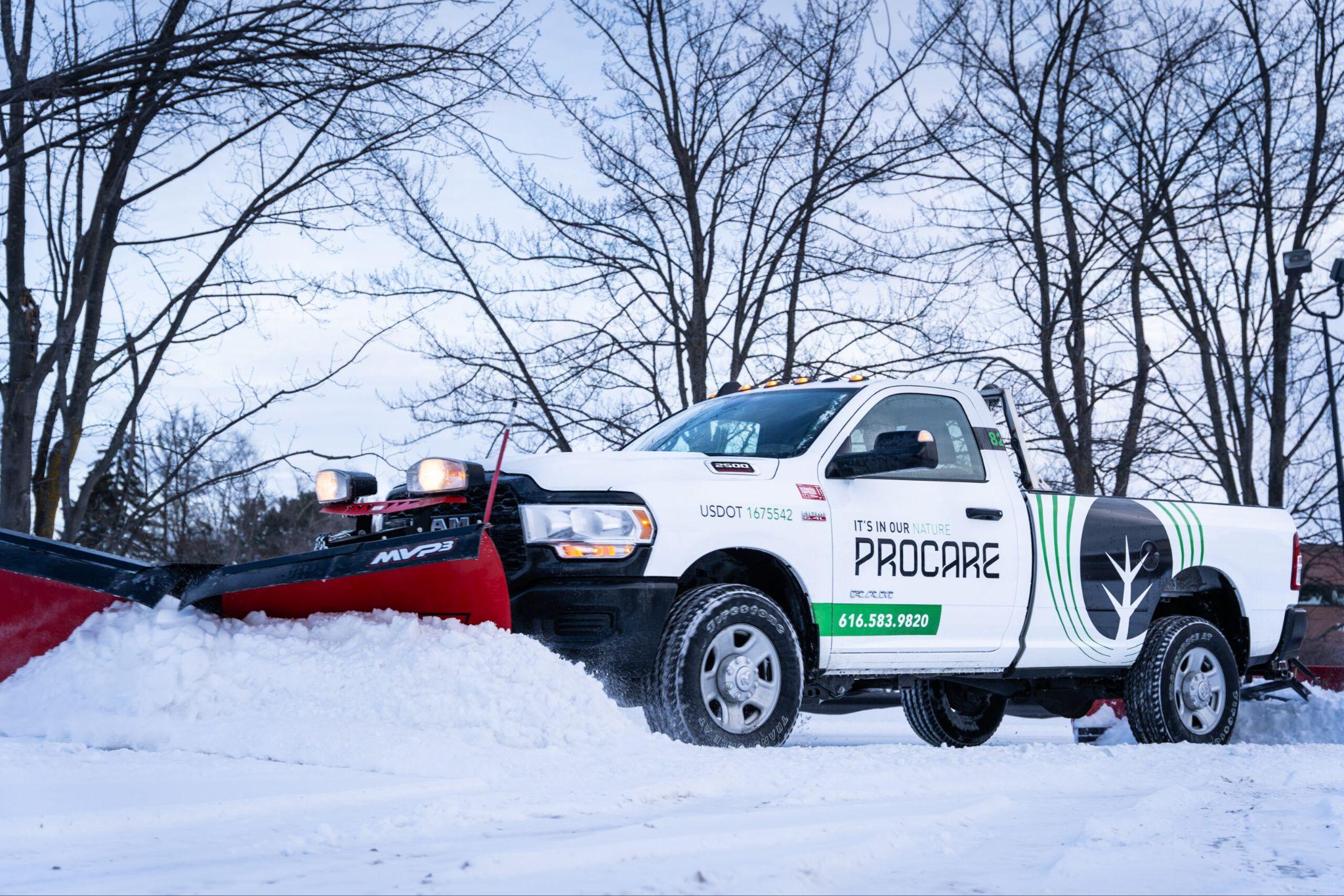
Winter conditions can quickly disrupt a commercial property. Snow accumulation affects access, ice creates safety concerns, and unclear response timing leads to confusion for tenants, staff, and visitors. Without a defined plan in place, properties are forced into reactive decisions during active weather events.
A structured winter strategy removes that uncertainty. When snow response, ice control, and communication are planned in advance, your property remains organized, accessible, and easier to manage throughout the season.
Winter services also connect with broader property care. Snow operations rely on site familiarity, landscape layout, and access planning developed throughout the year. If you want to understand how this fits into full property maintenance, check out our guide.
The steps below outline how to build an effective winter plan before the first snowfall.
Step 1: Walk Your Property From Curb To Doorstep

Every effective winter plan begins with a detailed site walkthrough. This process allows crews to understand how the property functions under normal conditions before snow and ice are introduced.
Entrances, drive lanes, parking areas, sidewalks, loading zones, and emergency routes are all reviewed. The goal is to map how vehicles and pedestrians move across the property so that clearing efforts support those patterns rather than disrupt them.
This step often reveals details that are easy to overlook during warmer months, such as tight turning areas, drainage patterns, or obstacles that will be hidden under snow. These factors directly affect how efficiently snow can be cleared during a storm.
A thorough walkthrough establishes the foundation for a plan that keeps the property operating normally, even in active winter conditions.
Step 2: Identify Priority Areas And Risk Zones
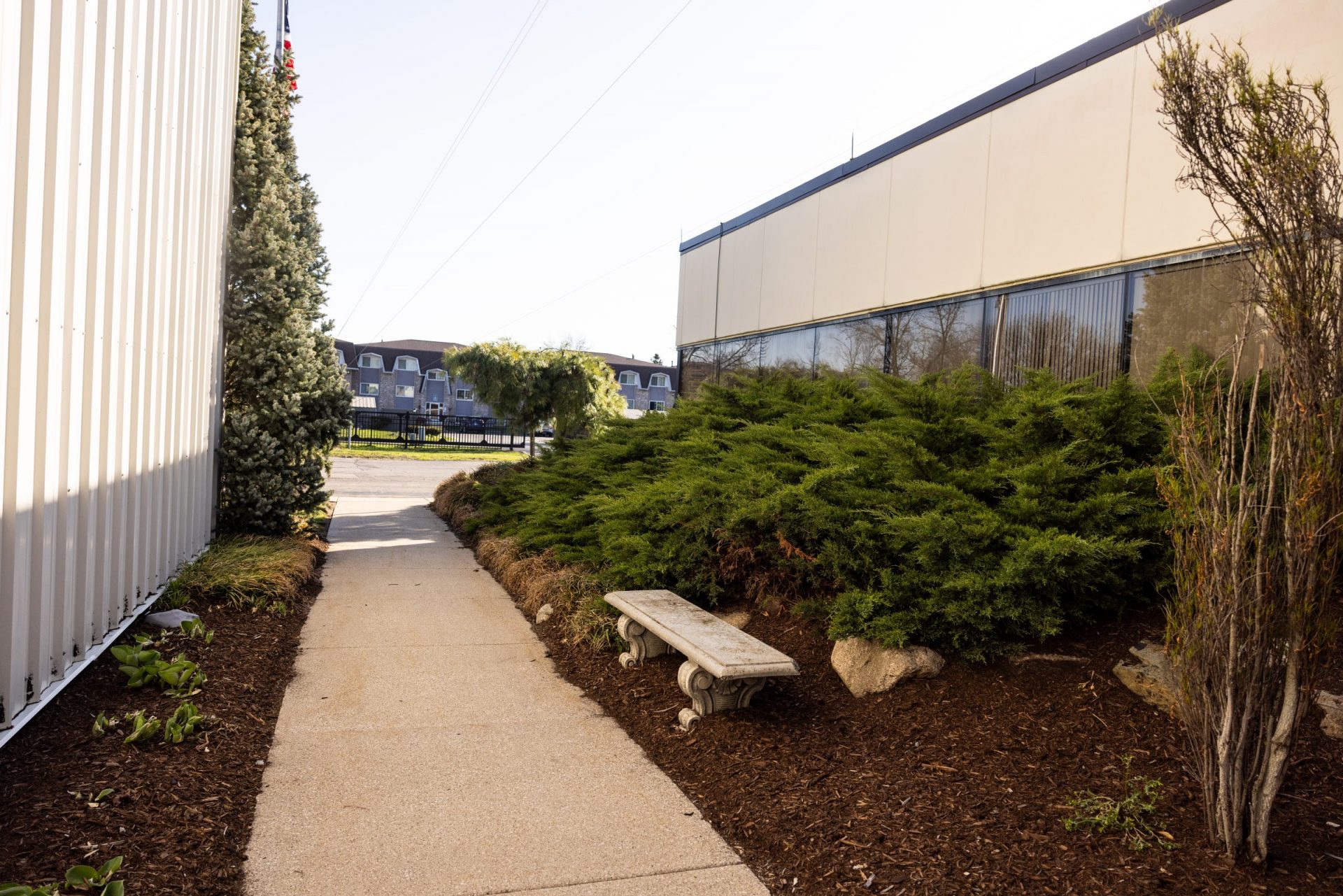
Not all areas of a property carry the same level of risk during winter. Some locations require immediate attention, while others can be serviced later in the response cycle.
High-traffic entrances, main walkways, and primary drive lanes are typically the first priority. These areas directly affect safety and accessibility and often need to remain clear throughout a storm.
Certain zones are also more prone to ice formation. Sloped surfaces, shaded areas, and locations with poor drainage tend to freeze quickly, especially during temperature fluctuations. These areas often require preventative treatment before conditions worsen.
Failing to identify these zones early is one of the most common reasons winter plans fall short. When priorities are unclear, crews may clear less critical areas while high-risk sections remain untreated.
Defining these areas in advance ensures that response efforts focus on safety first, not guesswork.
Step 3: Review How The Property Is Used

A winter plan must reflect how the property is actually used. Operating hours, tenant activity, delivery schedules, and peak traffic times all influence how and when services should be performed.
For example, properties with early morning activity may require clearing to be completed before tenants arrive. Sites with ongoing deliveries may need continuous access to loading areas, even during active snowfall.
Understanding these patterns allows snow response to align with real-world usage. Without this alignment, even well-executed clearing can create disruption if it occurs at the wrong time.
This step ensures that winter operations support the daily function of the property rather than interfere with it.
Step 4: Define Snow And Ice Response Expectations
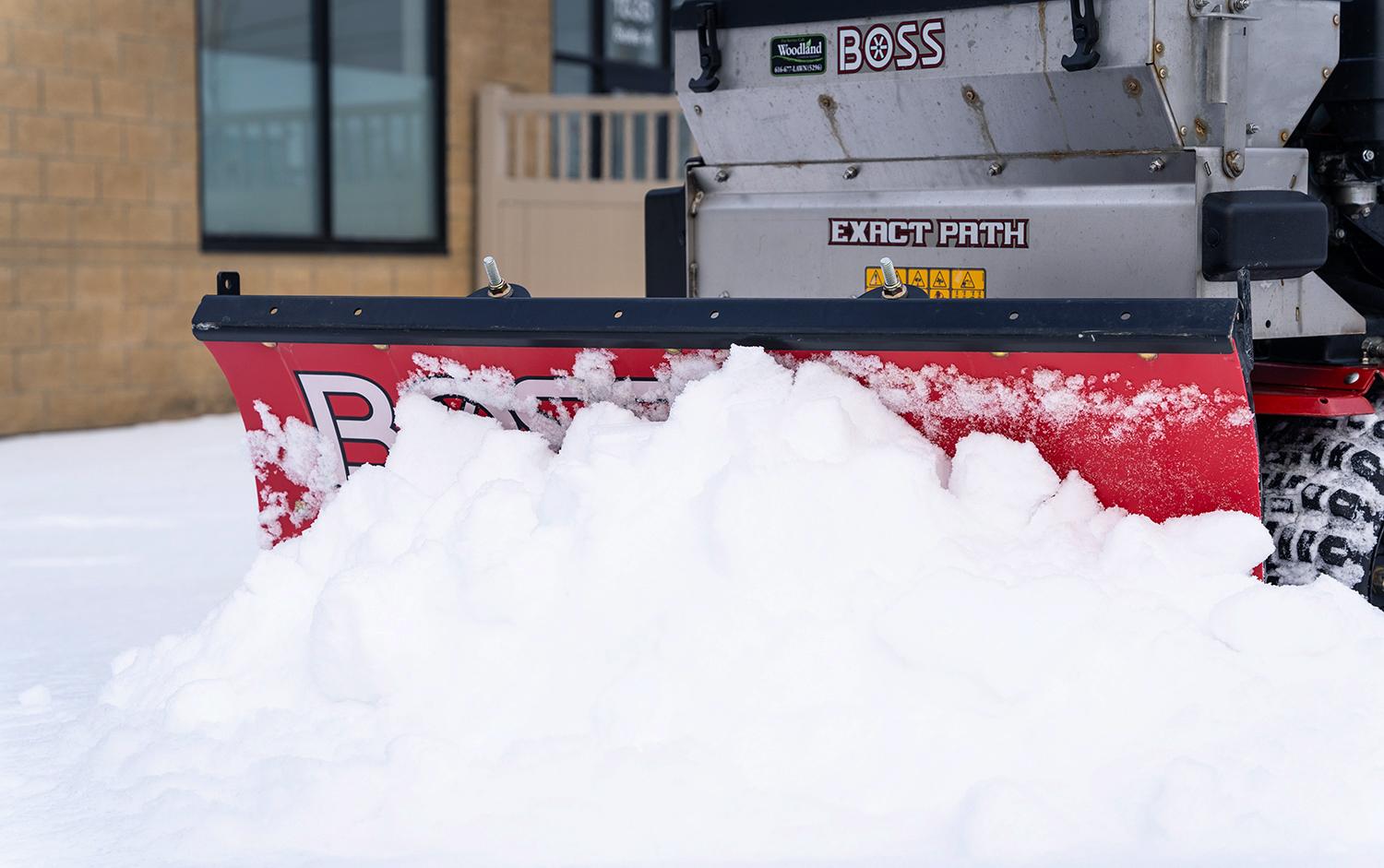
Clear expectations are essential for predictable winter operations. Property managers should understand when service begins, how response timing is triggered, and which areas are addressed first.
This includes defining:
- When crews are deployed during a storm
- How frequently areas are serviced
- What conditions trigger additional visits
- How priorities are maintained during extended snowfall
Without clearly defined expectations, uncertainty builds quickly during winter events. This often leads to repeated check-ins, inconsistent service delivery, and frustration on both sides.
A well-defined response plan ensures everyone understands how the property will be managed during varying conditions, from light snowfall to prolonged storms.
Step 5: Plan Ice Management Alongside Snow Removal
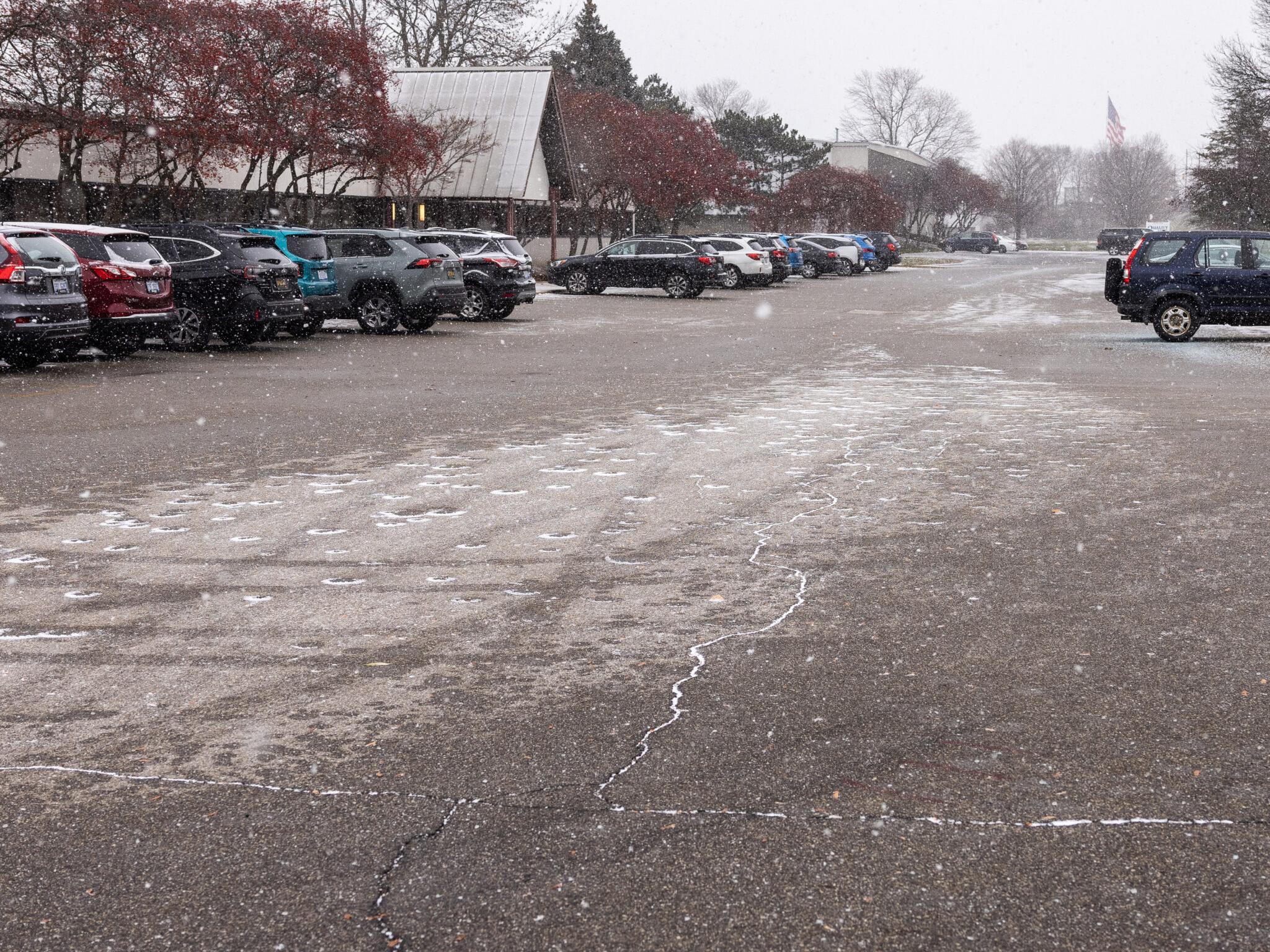
Snow removal alone does not create a safe site. Ice formation often becomes the larger concern, especially after clearing has taken place.
As snow melts and refreezes, surfaces can become hazardous overnight or during temperature swings. Areas that appear clear during the day may develop ice without visible warning.
A complete winter plan includes:
- Preventative treatments before storms
- Monitoring of known freeze-prone areas
- Follow-up applications after clearing
Ice control requires ongoing attention, not a one-time response. Planning for it alongside snow removal ensures surfaces remain safe throughout changing conditions, not just immediately after snowfall.
Step 6: Match Service Approach To Site Complexity

Every property requires a different approach based on its layout and physical characteristics. Larger sites, multi-tenant properties, and areas with tight access points all introduce different challenges.
Factors that influence planning include:
- Property size and layout
- Type and volume of traffic
- Surface materials
- Obstacles such as curbs, islands, and landscaping features
These elements determine how crews move through the site, what equipment is used, and how efficiently clearing can be completed.
When the service approach reflects the actual complexity of the property, operations become more consistent and less prone to delays or missed areas.
Step 7: Establish A Clear Communication Process

Communication is a key part of reliable winter service. Property managers need to understand what is happening on-site without having to track it down during a storm.
A strong communication process includes:
- Updates during active weather events
- Confirmation of service completion
- Notifications when conditions change
- Clear points of contact
Breakdowns in communication are one of the most common sources of frustration during winter. Even when work is being completed properly, a lack of updates can create uncertainty.
Consistent communication allows property managers to stay informed and confident in how the site is being managed.
Step 8: Document The Winter Plan

A written plan ensures that expectations, priorities, and site details are clearly defined before winter begins.
This documentation typically outlines:
- Priority areas and risk zones
- Response timing and service levels
- Access routes and site-specific considerations
- Communication protocols
Without documentation, plans rely too heavily on memory or assumptions. This increases the likelihood of inconsistency, especially during larger or prolonged storms.
A documented plan creates accountability and ensures that everyone involved follows the same approach throughout the season.
Step 9: Monitor Conditions And Adjust As Needed

Even the most detailed plan needs to adapt to changing conditions. Weather patterns, temperature shifts, and storm intensity all influence how winter services are delivered.
Ongoing monitoring allows adjustments to be made as needed, whether that involves:
- Modifying service timing
- Increasing attention to high-risk areas
- Responding to unexpected weather patterns
Familiarity with the property also plays a role here. Crews that understand the site can respond more efficiently and maintain safe access points even as conditions change.
Consistent monitoring ensures the plan remains effective from the first snowfall through to the end of the season.
Keeping Winter Operations Predictable And Organized
When winter services are planned in advance, properties operate with greater consistency and fewer disruptions. Clear priorities, defined response timing, and strong communication all contribute to a more predictable experience during snow events.
Without a structured approach, winter quickly becomes reactive. Decisions are made under pressure, response timing becomes unclear, and safety risks increase.
A well-planned strategy shifts that dynamic. It allows snow response to follow a clear process, keeping the property accessible and organized throughout the season.
If you want to explore how a structured winter plan could support your property, be sure to reach out to our team and request a quote.
Summary
Planning ahead allows commercial properties to manage snow and ice with greater control, consistency, and clarity. By defining priorities, aligning service timing with site activity, and maintaining ongoing oversight, winter operations become more predictable and easier to manage across the entire season.
Tags: